10 Top Questions Before Buying a Tortoise
A tortoise may be small when it arrives, but it is not a small commitment. The top questions before buying tortoise are not just about price or which one looks most appealing. They are about whether you can provide the correct heat, UVB, food, outdoor space and long-term care for an animal that may be with your family for decades.
For first-time keepers, getting clear answers before choosing a tortoise prevents many of the common problems we hear about later. A healthy, captive-bred tortoise from a lawful source is the right starting point, but the home you provide matters just as much.
The top questions before buying a tortoise
1. Which species suits my home and experience?
There is no single “best” pet tortoise. The right species depends on the space you have, your confidence with reptile care and the conditions you can provide throughout the year.
Horsfield tortoises are popular with UK keepers because they remain relatively compact and have plenty of character. They are active, determined diggers and need a secure enclosure. Hermann’s tortoises are also a well-liked choice for beginners when cared for properly. Marginated tortoises grow larger and need more room, while Western Dwarf Hermann’s tortoises are a rarer, smaller option that still requires the same serious approach to welfare.
Do not choose solely on size as a baby. Ask how large the species is likely to become, how active it is, whether it digs, and what it will need as an adult. A good specialist will discuss the practical differences honestly rather than simply steering you towards the tortoise currently available.
2. Can I provide a proper enclosure all year round?
A tortoise needs more than a tank, a bowl and a bag of food. Young tortoises need a warm indoor enclosure with safe heating, UVB lighting, a suitable substrate, hiding places and enough room to move between warmer and cooler areas. A glass vivarium is often unsuitable because ventilation can be poor and heat can build up in the wrong way.
As the weather allows, garden tortoises benefit greatly from secure outdoor time. Natural daylight, safe grazing and room to explore are valuable, but a garden is not automatically tortoise-safe. Check for gaps under fences, access by dogs or foxes, poisonous plants, ponds, steep drops and areas that remain cold or waterlogged.
An outdoor pen should be escape-proof from below as well as above. Tortoises can climb and dig far more effectively than many new owners expect. They also need shade and shelter, not constant direct sunshine.
3. Have I budgeted for equipment, not just the tortoise?
The purchase price is only one part of responsible ownership. Before bringing a tortoise home, budget for an appropriately sized indoor set-up, quality UVB lighting, a heat source, thermostatic control, substrate, feeding equipment and a secure outdoor pen where suitable.
UVB tubes and bulbs need replacing on schedule, even when they still appear to be working. Electricity costs, food, supplements where advised, and reptile-savvy veterinary care should also be considered. It is much easier to prepare the enclosure before delivery than to try to assemble it once a tortoise is already waiting at home.
Cheap equipment can become expensive if it does not provide the correct temperatures or UVB output. Ask what is genuinely needed for your chosen species and life stage, rather than buying a generic reptile bundle that may not suit a tortoise.
4. What will it eat every day?
A tortoise diet should be based on the needs of the species, not on what happens to be left in the salad drawer. Mediterranean garden tortoises generally need a high-fibre, weed-and-leaf-based diet. Suitable foods may include dandelion leaves and flowers, plantain, sow thistle, mallow and other safe leafy plants, alongside appropriate shop-bought leaves when needed.
Fruit should not be a regular part of the diet for the species commonly kept as garden tortoises. Too much watery supermarket lettuce, cucumber, tomato or fruit can lead to poor nutrition and digestive problems. Variety matters, but so does choosing the right variety.
Fresh water must always be available in a shallow, safe dish. Young tortoises commonly benefit from regular shallow soaks, particularly while settling into a new home. A specialist should provide clear feeding and hydration advice for the tortoise you are buying, rather than a vague care sheet that treats every species alike.
5. How will I manage heat, light and humidity?
Tortoises cannot regulate their own body temperature like mammals. Their enclosure must provide a warm basking area and a cooler area, allowing them to choose what they need. This is why a thermostat and accurate thermometers are essential rather than optional extras.
UVB lighting is equally important for indoor keeping. It supports normal calcium metabolism when used correctly alongside a suitable diet. Poor lighting, poor temperatures and poor diet often work together to cause avoidable health problems.
Humidity is not a simple matter of keeping everything dry. Hatchlings and young tortoises can dehydrate easily, and overly dry conditions may contribute to poor growth and shell problems. The correct approach depends on species, age and enclosure design. Ask for specific guidance rather than relying on one-size-fits-all advice from social media.
6. Is the tortoise captive-bred and legally documented?
This is one of the most important questions before buying a tortoise in the UK. A responsible seller should be open about the tortoise’s origin and provide the correct paperwork for the species being sold.
Some protected tortoise species require specimen-specific Article 10 certification for lawful commercial sale. Where required, the certificate must relate to that individual animal. Microchipping may also be required depending on the species and size of the tortoise. Keep all original paperwork safely for the animal’s lifetime, as it may be needed if you later move, sell or pass on the tortoise.
Avoid animals offered with unclear history, missing documents or claims that paperwork can be sorted out later. Captive-bred tortoises from a recognised, welfare-conscious specialist give you confidence about both legality and early care.
7. How old and how healthy is the tortoise?
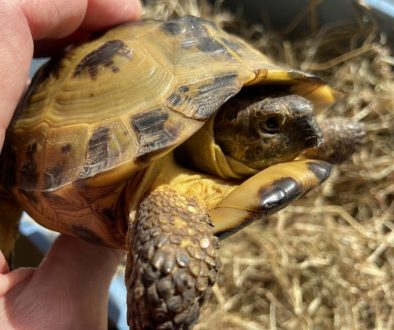
It is reasonable to ask about age, hatch date where known, current weight, feeding routine and how the tortoise has been kept. A healthy tortoise should be alert when warm, have clear eyes, clean nostrils and a firm shell. It should show a good response to food and movement, though every individual has quieter moments.
Be wary of a tortoise that appears lethargic in warm conditions, has bubbles or discharge from its nose, swollen eyes, a very soft shell or obvious damage. No seller can promise that a living animal will never need veterinary treatment, but a careful breeder or retailer should only offer animals that are eating well and have been properly assessed before sale.
Ask what support is available after purchase. Tortoises 4 You has built its service around free, friendly husbandry advice because questions often arise once a tortoise has settled into its new environment.
8. Am I prepared for hibernation, or should I avoid it?
Hibernation is not something to attempt casually. Whether a tortoise should hibernate depends on its species, age, health, body condition and your ability to monitor the process correctly. Some keepers choose not to hibernate young tortoises, while experienced keepers may follow a planned method under suitable conditions.
Never hibernate a tortoise that is unwell, underweight, dehydrated or has not been prepared properly. It is not simply a matter of placing the tortoise somewhere cool for winter. If you are unsure, seek species-specific advice well before autumn so you have time to decide on the safest plan.
9. Who will care for it during holidays and changes at home?
A tortoise can outlive other household pets and may be with you through moves, family changes and many holidays. Think about who can check temperatures, lights, food and water when you are away. A neighbour who is kind with cats may not understand how to recognise a failed heat lamp or an escaped tortoise.
It is also worth considering future space. A tiny hatchling may be manageable on a table enclosure, but an adult needs far more room. Planning for the adult animal is one of the kindest decisions you can make at the beginning.
10. Can I get advice before and after delivery?
Buying online can be convenient, but it should not mean buying without support. Ask how delivery is arranged, when the tortoise will travel, and whether a registered animal courier is used. A tortoise should be delivered safely and with arrangements that take weather and welfare into account.
More importantly, make sure you can speak to someone who understands the species if you are uncertain about set-up, feeding or settling in. Forty-four years of practical experience cannot replace your daily care, but it can give a new keeper the reassurance to ask early rather than wait for a small concern to become a bigger problem.
A tortoise is a rewarding animal to keep when its needs are planned for properly. Prepare the enclosure first, ask direct questions, keep the legal paperwork safe and choose a seller who is willing to support you after the sale. That is the best way to give your new tortoise a secure start.