Article 10 Certificate Tortoise Explained
If you are looking at a protected tortoise for sale, the phrase article 10 certificate tortoise will come up quickly, and for good reason. It is not a bit of optional paperwork or shop jargon. In the UK, it is a key part of proving that certain tortoises can be sold legally, and it gives buyers proper reassurance about origin, identity and compliance.
For many first-time keepers, this is the point where buying a tortoise starts to feel more complicated than expected. That is understandable. The legal side can seem confusing if you are seeing terms such as CITES, specimen-specific certificates and microchipping for the first time. The good news is that it is straightforward once you know what the certificate is for and when it applies.
What is an article 10 certificate tortoise document?
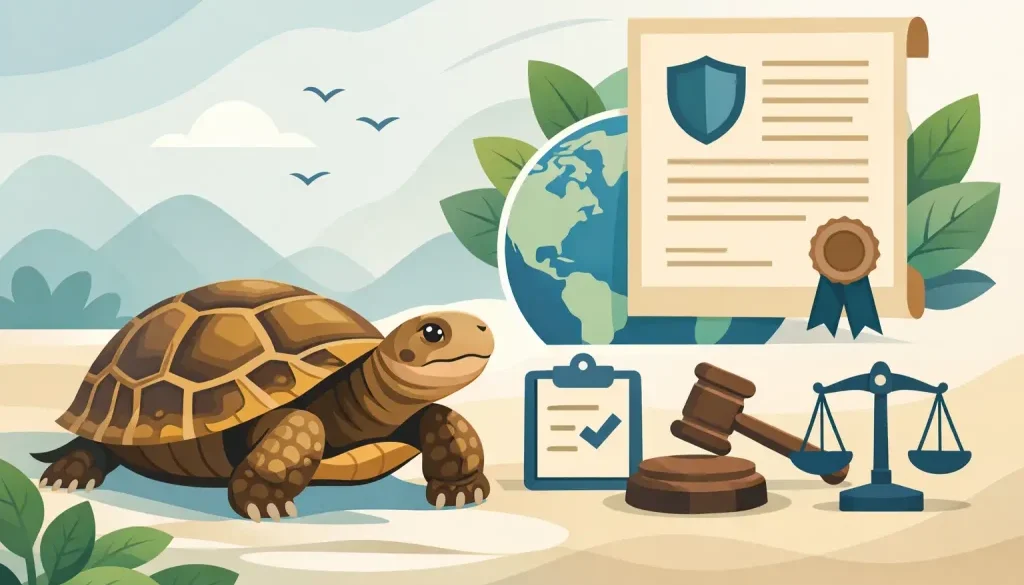
An Article 10 certificate is a legal document used for certain protected species covered by wildlife trade regulations. In practical terms, if a tortoise species falls under the relevant level of protection, that tortoise cannot normally be sold lawfully without the correct certification.
For a buyer, the certificate matters because it supports lawful sale and ownership records. For a seller, it is part of meeting legal obligations properly. A reputable specialist will not treat this as an afterthought. They will know which species require it, whether the certificate must be specimen-specific, and whether the animal also needs to be microchipped.
This is where experience matters. Not every tortoise sold in the UK will need the same level of paperwork, and not every buyer will be looking at the same species. Hermann’s tortoises, for example, may involve certification requirements that differ depending on the exact tortoise and status. That is why clear advice before purchase is worth having.
Why the certificate matters when buying a tortoise
The main reason is simple – legality. If a tortoise requires an Article 10 certificate for sale, that document should be in place. Without it, you should be asking serious questions.
There is also a welfare and traceability point. Proper paperwork helps show that the tortoise has come through the correct channels rather than informal or questionable sources. For buyers who want a healthy captive-bred pet and a clean legal record, that matters a great deal.
It can also matter later. If you ever need to prove the tortoise’s identity, origin or legal sale status, having the right documents from the start makes life much easier. Families buying their first tortoise often focus on enclosure size, heating and diet, which they should, but the legal paperwork deserves the same attention.
Which tortoises may need an Article 10 certificate?
This depends on the species and the individual specimen. Some tortoises are more tightly regulated than others, and in some cases the certificate is linked to the individual animal rather than being a general document.
That means there is no sensible one-line rule such as every tortoise needs one or no tortoise needs one. The honest answer is that it depends. A specialist seller should tell you clearly whether the tortoise you are buying requires an Article 10 certificate and, if so, whether it will be supplied with the animal.
For protected species, the certificate is often tied to a specific tortoise. That is why details must match properly. If the animal is of a size or status where microchipping is required, the chip number may form part of that identification.
Microchipping and article 10 certificate tortoise rules
Buyers often hear these two things mentioned together because they are closely linked for some protected tortoises. A specimen-specific certificate is intended to relate to one animal, and microchipping can be part of how that individual is identified.
Not every young tortoise will be chipped immediately, as size and practical welfare considerations can affect timing. Again, this is why broad assumptions are not helpful. What matters is that the seller explains the position clearly and lawfully.
If a tortoise is sold with specimen-specific certification, check that the identifying details are correct and that you understand what paperwork you are receiving. A reliable seller should make this plain rather than leaving you to sort it out yourself.
What buyers should check before purchasing
You do not need to become a legal expert before buying a tortoise, but you should ask sensible questions. First, confirm the exact species you are buying. Common names are useful, but legal paperwork often depends on the correct species identification.
Next, ask whether the tortoise needs an Article 10 certificate for lawful sale. If the answer is yes, ask whether the certificate is included and whether the animal is microchipped if required. You should also ask whether the tortoise is captive-bred, as this is an important part of buying responsibly.
It is also worth checking that the seller can explain the documentation in plain English. If the answers are vague, rushed or evasive, that should ring alarm bells. A genuine specialist will usually be happy to talk it through because they deal with these questions regularly.
Why buying from a specialist makes a real difference
This is not just about receiving a tortoise in good condition. It is about receiving the right support before and after the sale. An established specialist with years of experience will usually have a much firmer grasp of welfare, species suitability and legal compliance than a general seller.
That matters particularly with protected tortoises. If the species needs certification, the paperwork needs to be right. If the tortoise is better suited to an experienced keeper, that should be said. If a family would be better starting with a hardier or more straightforward species, that advice should be given honestly.
At Tortoises 4 You, this practical approach has always mattered. Buyers want to know they are dealing with somebody who understands tortoises properly, not somebody simply moving stock.
Common misunderstandings about Article 10 certificates
One common mistake is assuming the certificate is a general proof that any tortoise is legal to own. That is too broad. The certificate relates to sale and compliance for relevant protected specimens, and the details need to match the individual animal where required.
Another misunderstanding is thinking paperwork is less important if the tortoise is small or young. In reality, age does not remove legal obligations. Sometimes the form of identification or timing may differ, but the rules still matter.
A third mistake is believing that if a tortoise is advertised online, the legal side must already be in order. Sadly, that is not always the case. Buyers should still ask direct questions and expect direct answers.
What happens after you buy?
Once you have bought a tortoise with the correct paperwork, keep the documents safe. Do not treat them like a disposable receipt. Store them properly and make sure you know which tortoise they relate to, especially if you keep more than one.
If you ever move the tortoise on in a lawful way, need to confirm its identity, or want to refer back to the sale details, those records will matter. Good paperwork is part of responsible keeping.
It is also sensible to focus on the other side of responsible ownership straight away – heating, UVB, correct diet, safe accommodation and ongoing care. Legal compliance is one part of buying properly, but long-term husbandry is what keeps the tortoise healthy.
The simple way to approach it
If you are buying a protected species, do not be embarrassed about asking what paperwork comes with it. A decent seller will expect that question. In fact, they should welcome it.
The safest route is to buy from a specialist who can tell you exactly what species you are buying, whether an Article 10 certificate is needed, whether microchipping applies, and what support you will have after purchase. That gives you confidence from the start and helps avoid expensive or upsetting problems later.
A tortoise is a long-term commitment, so it makes sense to buy carefully. The right animal, the right advice and the right paperwork should all come together. If they do, you can start with confidence and focus on giving your tortoise the proper care it deserves.