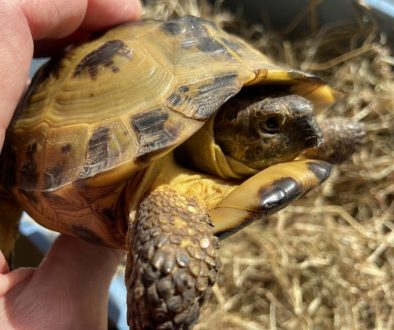
What Do Pet Tortoises Eat?
If you are asking what do pet tortoises eat, the short answer is this: most commonly kept garden tortoises need a high-fibre, leafy diet based mainly on weeds and edible plants, not fruit, not meat, and not the sort of mixed pet foods people often buy in haste. Diet is one of the biggest factors in long-term health, and it is also where many new keepers go wrong.
A tortoise can look bright and active while being fed badly for months. The trouble often shows later as poor growth, shell problems, excess weight, digestive upset or a fussy feeder that only wants the wrong foods. Getting the basics right early makes life much easier for both the tortoise and the keeper.
What do pet tortoises eat in captivity?
For Mediterranean species commonly kept in the UK, such as Horsfield, Hermann’s and Marginated tortoises, the best diet is made up mostly of mixed weeds, flowers and leafy plants. In the wild, these tortoises graze on tough, fibrous plant material that is fairly low in sugar and fairly low in protein. That is the pattern you want to copy in captivity.
Good everyday foods include dandelion leaves and flowers, plantain, sow thistle, clover in moderation, chickweed, vetch, mallow, hawkbit and safe garden-grown leaves. Shop-bought leaves can help as well, especially when fresh weeds are scarce, but they should not become a lazy substitute for variety. A tortoise fed the same bag of supermarket leaves every day may survive, but it is not the standard of feeding we advise if you want proper long-term health.
The aim is not to find one perfect food. The aim is to offer a broad mix that changes through the week. Variety matters because it helps balance nutrients naturally and encourages normal grazing behaviour.
The best foods for common pet tortoises
If you keep a Mediterranean tortoise, think in terms of weeds first, leaves second, and commercial foods only as support if needed. Dandelions are widely used for good reason. They are readily accepted, useful nutritionally and easy to recognise. Plantain and sow thistle are also excellent staples. Hibiscus leaves and flowers, if available, are very well taken by many tortoises.
When weeds are not easy to gather, suitable shop options include lamb’s lettuce, rocket, watercress, spring greens and a little romaine. These are practical choices, not miracle foods. Rotate them and mix them with anything safe you can grow or pick yourself from clean ground.
Some keepers also use dried tortoise herb mixes or formulated tortoise diets. These can have a place, particularly in poor weather or for adding fibre, but they should not replace fresh plant matter altogether. If you use them, use them sensibly and make sure the tortoise is still eating a proper range of fresh foods.
A cuttlefish bone left in the enclosure is a simple way to provide extra calcium. Not every tortoise will use it every day, but many will nibble as needed. Calcium is especially important for growing youngsters and egg-laying females, though every tortoise benefits from the right balance.
Weeds and plants that usually work well
The most useful foods are often the simplest ones. Dandelion, plantain, sow thistle, chickweed, mallow and hawkbit are regular favourites. Safe flowers such as hibiscus, nasturtium and rose petals can be offered as part of the mix rather than as treats in the mammal sense.
It is worth saying that wild-picked food must come from clean areas. Avoid roadside verges, places treated with weedkiller, and any ground where contamination from dogs or other animals is likely.
Shop-bought foods for practical feeding
For many UK keepers, especially in winter and early spring, shop-bought leaves are part of real life. That is perfectly fine if you choose carefully. Spring greens, rocket, lamb’s lettuce, romaine and watercress are usually more useful than soft, watery lettuce with little food value.
Iceberg lettuce is often mentioned because tortoises will eat it, but acceptance is not the same as quality. It is mostly water and offers very little of what a tortoise actually needs. Better to use more nutritious leaves and keep watery foods to a minimum.
Foods to avoid
This is where confusion tends to creep in. Tortoises are reptiles, so people sometimes assume they need insects or animal protein. For the common herbivorous species kept as pets in the UK, that is not correct. They should not be fed meat, dog food, cat food, dairy or other high-protein items.
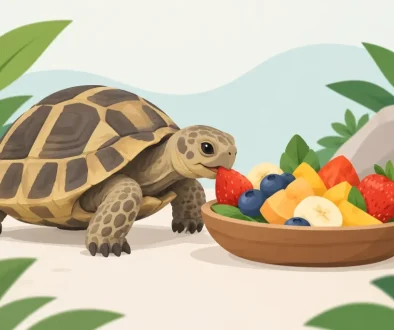
Fruit is another common mistake. Many tortoises will take strawberry, melon or tomato if offered, but that does not mean they should be eating them regularly. Fruit is too sugary for the usual Mediterranean species and can upset gut health. A tiny amount on occasion is not likely to cause a crisis, but routine feeding is poor practice.
Spinach and kale are often discussed as well. They are not poisonous, but they are best used with care rather than as staples. The issue is not that one leaf will do harm. The issue is overusing foods that are less suitable than the better options already available.
Also avoid any plant unless you are certain of the identification. Guesswork is not worth the risk.
How often should you feed a pet tortoise?
Young tortoises should be offered food daily. Adults are usually fed daily as well during their active season, though portion size matters more than piling food high. A pet tortoise should not look like a little bulldozer with a shell. Steady, natural growth is the goal, not fast growth.
It helps to think of feeding as grazing rather than serving meals in the way you would for a dog or cat. Offer a sensible spread of mixed leaves and weeds, let the tortoise browse, and remove anything spoiled later in the day.
Fresh water should always be available, even for species from dry regions. Tortoises do drink, and regular soaking for young tortoises is also good husbandry.
Feeding by species – it depends a little
When people ask what do pet tortoises eat, the answer depends slightly on the species. Horsfield, Hermann’s and Marginated tortoises have broadly similar needs, which is why the weed-based approach works so well for them. These are the species many first-time keepers in the UK are considering, and the feeding principles are straightforward.
That said, there is a difference between broad guidance and exact advice for an individual animal. Age, growth rate, whether the tortoise is kept indoors or outdoors for part of the year, and the quality of UVB and temperatures all affect how well food is used. A perfectly reasonable diet can still cause problems if heating or lighting is wrong.
This is why experienced support matters. Feeding never sits on its own. Diet, heat, light, hydration and enclosure set-up all work together.
Common feeding mistakes new keepers make
The biggest mistake is overcomplicating things while somehow feeding too richly. Tortoises do not need colourful bowls of fruit, supermarket salad every day and high-protein extras. They need plain, suitable plant matter offered consistently.
The second mistake is lack of variety. Feeding only cucumber, only lettuce, or only one bagged leaf mix is easy, but not ideal. The third is assuming that if a tortoise likes a food, it must be good for it. Tortoises can be surprisingly keen on foods that should only be offered rarely or not at all.
Another issue is using food to make up for weak husbandry. If a tortoise is inactive, not eating well or growing poorly, the answer is not always a different leaf. It may be the temperatures are off, the lamp needs replacing, or the enclosure is not set up properly.
A sensible everyday approach
For most keepers, the best routine is simple. Build the diet around safe weeds and flowers whenever you can. Use suitable shop-bought leaves as backup, not as the whole answer. Keep fruit, protein-rich foods and processed treats out of the plan. Make calcium available and keep water fresh.
If you are buying your first tortoise, ask for feeding advice that matches the species, age and set-up you will actually have at home. At Tortoises 4 You, that practical side of keeping has always mattered just as much as the sale itself. A healthy captive-bred tortoise needs the right start, and diet is a large part of that.
Feed for the animal you have, not the one pet shops used to describe years ago, and your tortoise will repay you with steady growth, sound condition and a much better chance of a long, healthy life.