UK Tortoise Ownership Guide for New Keepers
A tortoise can be a wonderful pet, but it is not a low-maintenance one. The right UK tortoise ownership guide starts with a simple truth: you are taking responsibility for a long-lived animal with very particular needs, not buying a small garden ornament. Good preparation before you choose a tortoise makes the first weeks calmer for both you and your new pet.
For many families, the appeal is obvious. Tortoises are characterful, quiet and fascinating to watch. They also need daily care, secure housing, specialist lighting and a proper diet. With the correct set-up and dependable advice, first-time keepers can give a captive-bred tortoise a very good home.
Choose a species that suits your home
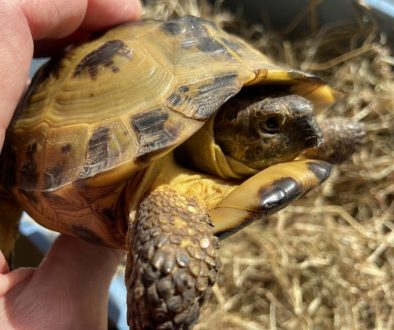
The species matters because tortoises do not all behave, grow or cope with British conditions in the same way. The most commonly kept garden species include Horsfield tortoises, Hermann’s tortoises and Marginated tortoises. Western Dwarf Hermann’s tortoises are less commonly available and remain a smaller, attractive option for suitable keepers.
Horsfields are popular because they are compact and active, but they are determined diggers. Their outdoor area needs sides that extend below ground level as well as a secure top where needed. Hermann’s tortoises are also a popular choice for gardens and can develop into confident, engaging pets. Marginated tortoises generally become larger, so they need more room as they grow.
Do not choose solely by hatchling size. A tiny baby may be appealing, but you should plan for the adult tortoise, its adult enclosure and decades of care. Ask questions about expected adult size, temperament, seasonal routine and whether the species is a practical match for your garden and indoor space.
Legal paperwork is part of responsible ownership
Tortoises should be captive-bred and supplied legally. Several commonly kept species are protected by CITES rules, meaning the paperwork is as important as the tortoise itself. Where required, a tortoise must be accompanied by its own specimen-specific Article 10 certificate, which permits its legal sale.
Keep this original documentation safely for the animal’s lifetime. If you later sell, give away or breed from a protected tortoise, the relevant legal requirements still apply. Depending on the species and size of the animal, identification such as microchipping may also be required. Never assume that a certificate for one tortoise covers another, even when they are from the same clutch.
A reputable specialist should explain the documents provided and answer questions before purchase. Tortoises 4 You has worked with garden tortoises for 44 years and provides free, friendly husbandry advice alongside legally compliant sales. That support is particularly valuable when you are buying your first tortoise and want to start properly.
Build the enclosure before the tortoise arrives
A suitable home is the foundation of healthy tortoise keeping. In Britain, a tortoise usually needs both a warm indoor enclosure and safe access to an outdoor run when the weather allows. A garden alone is not enough, especially for a young tortoise or during colder months.
Indoors, use a spacious, well-ventilated enclosure with a warm basking area and a cooler area so the tortoise can regulate its own temperature. A thermostat is essential for controlling heat safely. Most garden tortoises also require UVB lighting when housed indoors, as UVB supports vitamin D production and proper calcium use.
Avoid keeping a tortoise permanently on smooth flooring or loose around the house. Floors are often too cold, there are hazards under furniture, and a tortoise can disappear surprisingly quickly. A purpose-built enclosure is safer and makes it far easier to monitor food, droppings, activity and temperature.
For the substrate, aim for a natural, dry surface that allows normal movement and digging where appropriate. It should not be dusty, scented or likely to be eaten in quantity. The exact substrate and depth depend on the species and age, so get advice for your particular tortoise rather than copying a generic social media set-up.
Make outdoor time secure and useful
Outdoor access gives a garden tortoise natural sunlight, space and stimulation. The run needs a solid perimeter, shelter from rain and wind, shaded areas, and protection from dogs, foxes, rats and birds. Check it every time before use. Gaps under fencing, toxic plants and exposed garden chemicals can quickly become serious problems.
A tortoise should never be left unattended in an open garden. Even a small tortoise can climb, dig or squeeze through spaces that look impossible. In cool, dull or wet weather, indoor warmth is usually the better option.
Feed for steady growth, not fast growth
A healthy tortoise diet is based mainly on high-fibre leafy weeds and plants. Suitable choices often include dandelion leaves and flowers, plantain, sow thistle, mallow and other safe, unsprayed tortoise-friendly weeds. Variety over time is useful, but sudden changes in diet are not.
Fruit is not a normal staple for Mediterranean garden tortoises. It is too sugary and can upset the balance of their diet. Iceberg lettuce is also a poor choice because it offers little nutritional value. Commercial tortoise foods can have a place when used correctly, but they should not replace a varied, weed-led diet without specialist advice.
Provide fresh water at all times in a shallow, sturdy dish that the tortoise can enter and leave easily. Young tortoises often benefit from regular shallow baths, which help with hydration. Calcium supplementation may be needed, particularly for growing animals, but use it sensibly rather than adding large amounts to every meal.
The aim is gradual, healthy development. Overfeeding and overly rich diets can lead to rapid growth and shell problems, so a bigger tortoise is not necessarily a healthier one.
Know what healthy looks like
Get into the habit of observing your tortoise daily. A healthy animal should be alert when warm, walk with purpose, eat appropriately and have clear eyes and nostrils. Its shell should feel firm. Weighing your tortoise regularly, using the same scales and keeping a simple record, is one of the most useful things a new keeper can do.
Reduced appetite, runny eyes, bubbles from the nose, wheezing, diarrhoea, unusual lethargy or a soft shell all need attention. Reptiles can hide illness, so do not wait for a problem to become dramatic. Speak to a reptile-experienced veterinary surgeon promptly if you are worried.
Parasite tests may also be recommended, particularly when a tortoise is new to you or showing digestive changes. Do not use treatments intended for other pets unless prescribed by a vet who understands reptiles.
Think carefully about hibernation
Hibernation is one of the areas where rushed advice can cause harm. Some species, including Horsfields and Hermann’s tortoises, may hibernate when they are healthy and managed correctly. It is not suitable for every individual, and it should never be treated as something that simply happens because the weather turns cold.
A tortoise must be assessed as fit, at a suitable weight and prepared correctly before hibernation. Young, unwell or recently acquired animals may need to remain awake in a controlled heated enclosure instead. Marginated tortoises and different individual circumstances require careful consideration too.
For a first winter, ask for tailored advice well before autumn. The safest decision depends on species, age, weight, health history and the conditions you can reliably provide. A reptile vet can help where there is any uncertainty.
Buying and bringing your tortoise home
Buy from a specialist able to tell you where the tortoise came from, what it has been eating, which documents accompany it and how it has been kept. Avoid impulse purchases, unverified adverts and animals with missing paperwork. The lowest price can become expensive if it means poor welfare, unclear legality or no aftercare.
If your tortoise is delivered, make sure someone is available to receive it, and have the heated enclosure running and checked beforehand. A registered animal courier is the appropriate way to transport a live tortoise across England and Wales. Once home, allow a quiet settling-in period, while still checking that it is warm, hydrated and feeding.
A well-kept tortoise becomes part of family life for many years. Set up carefully, keep the paperwork secure, and ask for help early when something does not look right. That patient approach gives your tortoise the best chance of a healthy, settled life in your care.