Reptile Welfare and Proper Tortoise Care
A tortoise can appear calm and uncomplicated, but reptile welfare depends on far more than a clean enclosure and a bowl of food. Tortoises have precise needs for heat, light, diet, space and routine. Getting those details right from the beginning gives a captive-bred tortoise the best chance of a healthy, settled life in its new home.
For a prospective owner, welfare begins before purchase. The species must suit the home, the keeper must be ready for a commitment measured in decades, and any legal paperwork must be in order. A healthy tortoise from an experienced, welfare-led source is a far better starting point than trying to correct poor breeding, poor health or unclear origin later.
What Reptile Welfare Means for Tortoises
Good reptile welfare means meeting an animal’s physical and behavioural needs consistently, not simply keeping it alive. A tortoise needs to warm up and cool down appropriately, graze on suitable foods, rest securely, move about, dig or shelter when it chooses, and receive regular observation from its keeper.
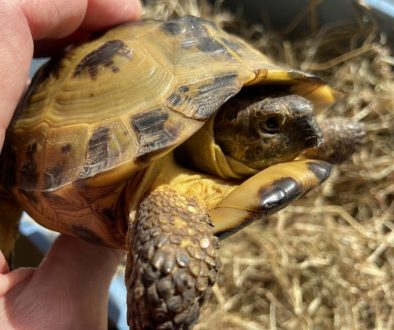
Different species have different requirements. Horsfield tortoises are hardy, active tortoises with a natural urge to dig, while Hermann’s and Marginated tortoises need spacious, well-managed accommodation and a diet based around weeds and leafy plants. Western Dwarf Hermann’s tortoises are smaller, but small does not mean low-maintenance. Their environment still needs careful planning.
The right species is therefore a welfare decision, not just a matter of appearance. A family looking for a first tortoise should discuss their available space, garden, household routine and experience honestly before choosing. Free, friendly advice before purchase can prevent a great many avoidable problems.
Start With a Healthy, Captive-Bred Tortoise
Captive-bred tortoises are the responsible choice for pet keepers. They are bred for life in captivity and should come from a known, lawful background. Wild-caught animals may carry health issues, be stressed by transport and removal from their natural environment, or come with serious legal and ethical concerns.
Before bringing a tortoise home, ask clear questions about its age, species, feeding routine, health and paperwork. A reputable specialist should be willing to explain the care required rather than treating the sale as the end of the conversation.
Some tortoise species are protected by CITES controls. Where required, the tortoise should have the correct specimen-specific Article 10 certificate, and microchipping may also apply depending on species and size. These documents are not a minor administrative detail. They establish legal ownership and help protect threatened tortoise species from illegal trade.
At Tortoises 4 You, the focus is on healthy captive-bred garden tortoises, correct documentation where needed, and practical advice that continues after a tortoise has arrived.
Build the Environment Before the Tortoise Arrives
One of the most common welfare mistakes is buying the tortoise first and arranging its accommodation afterwards. The enclosure, equipment and temperatures should be ready, tested and stable before collection or delivery day.
Young tortoises are usually best kept indoors initially in a properly sized tortoise table or open-top enclosure. Closed glass vivariums can be difficult to ventilate and may become too humid or stagnant if not managed very carefully. An open, well-designed setup allows a clearer temperature gradient and makes daily checks easier.
Heat, Light and UVB
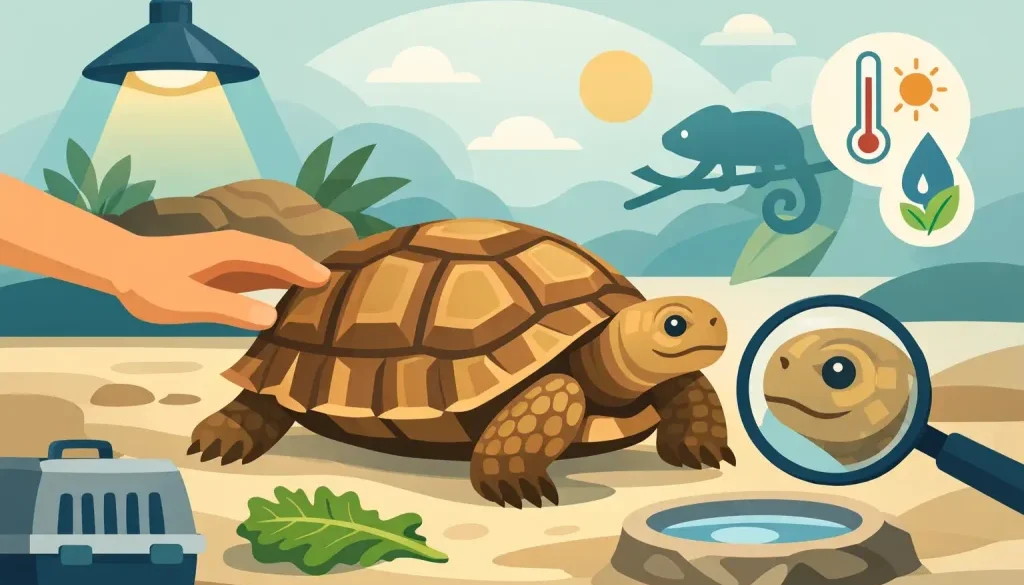
Tortoises need a basking area that allows them to warm their bodies properly, alongside a cooler area where they can move away from the heat. The exact temperatures and equipment depend on species, age, room conditions and enclosure size. A thermometer at each end of the enclosure is much more reliable than judging by hand.
Appropriate UVB lighting is equally important for indoor tortoises. UVB helps them make vitamin D3, which supports calcium use and healthy bone and shell development. A bright lamp alone is not enough. Use suitable reptile UVB equipment, position it correctly, and replace it according to the manufacturer’s guidance, as output reduces over time.
Natural sunshine can be beneficial when weather and safety allow, but British sunshine is not a substitute for a planned indoor setup. Temperatures can change quickly, and a tortoise left in direct sun without shade can overheat. Outdoor time must always be supervised or provided in a secure, purpose-built area with shelter.
Space, Shelter and Security
A tortoise needs room to walk, explore and choose between warmer and cooler places. Tiny enclosures quickly become unsuitable, particularly as the tortoise grows. Provide safe hides at both ends of the temperature range, a shallow water dish, suitable substrate and enough floor space for natural movement.
Outdoor enclosures should be escape-proof. Tortoises are determined climbers and diggers, and a garden with apparently solid boundaries may still contain gaps, loose fencing or hazards such as toxic plants, ponds and dogs. Never assume a tortoise will remain where it has been placed.
Feeding for Long-Term Health
Diet has a direct effect on shell growth, weight and overall welfare. Most commonly kept Mediterranean tortoises need a high-fibre, low-protein diet based mainly on suitable weeds and leafy plants. Dandelion leaves, plantain, sow thistle and safe mixed leaves can form part of a varied feeding plan when correctly identified and free from pesticides.
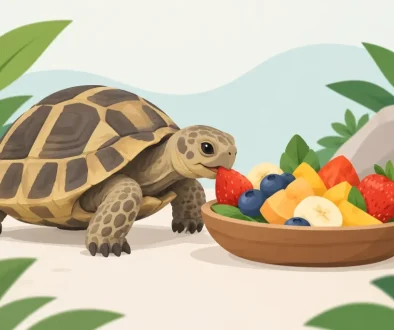
Fruit should not be a regular food for these species. It is too sugary for a tortoise that has evolved to eat fibrous vegetation. Protein-rich foods, shop-bought treats and excessive pellets can also cause problems when used as a main diet. A good diet is often less exciting to us than to the tortoise, but it is designed for health rather than novelty.
Calcium supplementation may be needed, particularly for growing tortoises and indoor-kept animals, but it should sit alongside correct lighting and a suitable diet rather than being used to compensate for poor husbandry. Fresh water should always be available, even if you do not often see the tortoise drinking. Young tortoises may also benefit from regular shallow soaks, depending on their age, condition and species.
Observe Daily, Not Only When Something Looks Wrong
Tortoises hide illness well. Daily observation is one of the strongest safeguards for reptile welfare because it lets you spot gradual changes before they become urgent. Watch for normal appetite, bright eyes, clear nostrils, steady movement and a firm shell. Check that the tortoise is using its basking area and that droppings and urates look usual for that individual.
A suddenly sleepy tortoise, one that refuses food, has wheezing or bubbling at the nose, puffy eyes, diarrhoea, weight loss or a softening shell needs attention. Do not rely on internet guesses or wait for a problem to disappear. Speak to a reptile-experienced veterinary surgeon promptly.
Weighing your tortoise regularly is particularly useful for young animals. A simple record of weight, feeding, shedding, faeces and any changes to equipment can reveal a pattern that is easy to miss day to day.
Plan for Seasons and a Lifetime Commitment
Tortoises do not fit neatly into a one-size-fits-all routine across the year. In Britain, lower temperatures and shorter days make seasonal management especially relevant. Some species may hibernate under carefully controlled conditions, but hibernation is not automatic and is never appropriate for every tortoise.
A young, underweight, unwell or recently acquired tortoise should not be hibernated. Species also differ in their natural hibernation habits. Keepers should seek individual guidance and health checks before making that decision, rather than following a calendar date or advice intended for another species.
It is worth remembering that a tortoise may outlive many pets and can live for several decades with correct care. Holiday arrangements, future house moves, electricity costs for heating and lighting, veterinary care, and the eventual size of the accommodation all deserve thought before purchase.
The most rewarding part of tortoise keeping is watching a properly cared-for animal develop its own routine and character over many years. Prepare carefully, ask questions when unsure, and treat everyday care as the lasting commitment that good welfare requires.