Horsfield Versus Marginated Tortoise: Which Suits You?
A tortoise may be with your family for many decades, so choosing by appearance alone is rarely enough. In the Horsfield versus marginated tortoise decision, the main difference is not simply size. It is the space you can offer, how you plan to manage outdoor living in the British climate, and whether you are prepared for a determined digger or a much larger adult animal.
Both are attractive, hardy-looking Mediterranean and Central Asian species with plenty of character. Both need committed, informed care. Yet the right choice can be quite different for a first-time keeper with a modest, secure garden than for an enthusiast planning a generous outdoor enclosure.
Horsfield versus marginated tortoise at a glance
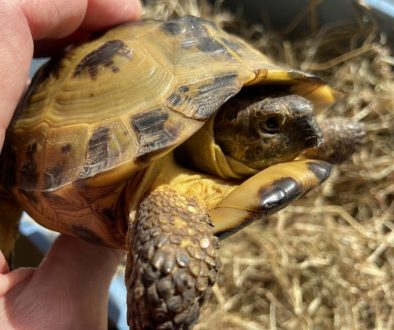
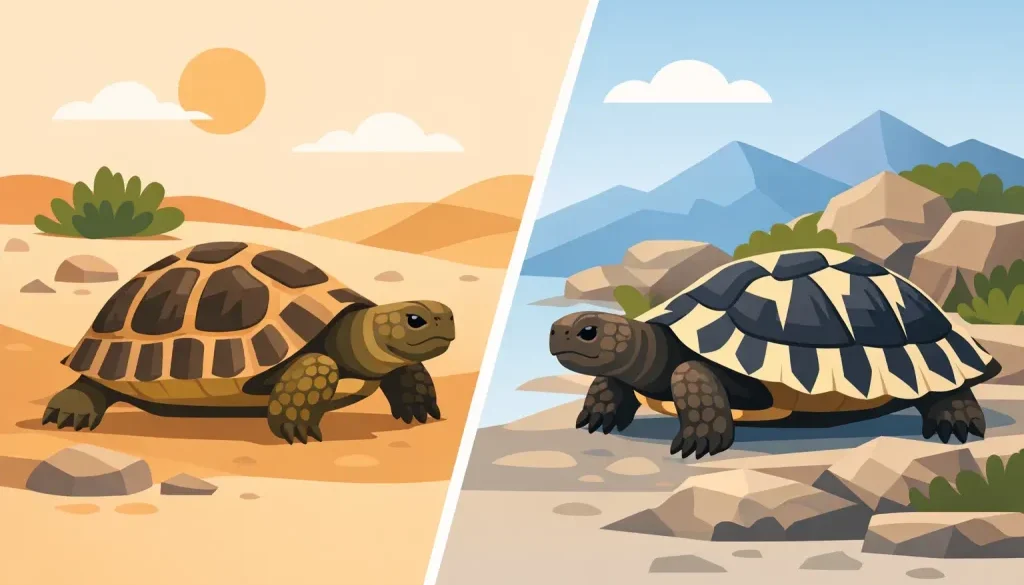
The Horsfield tortoise, also known as the Russian tortoise, is usually the smaller of the two. Most adults reach around 15-20 cm, although size varies between individuals and sexes. They are compact, active and full of purpose, with a rounded shell and sturdy front legs made for digging.
The marginated tortoise is Europe’s largest tortoise species. Adults commonly reach 25-35 cm and need far more room as they mature. Its shell has a distinctive flared rear edge, giving the species a striking, skirted appearance. Young marginated tortoises may look manageable, but buyers should always plan for the adult size rather than the baby in front of them.
That single point affects almost everything else. A small tortoise still needs proper space, but a marginated needs a genuinely large, secure area indoors when young and outdoors when conditions allow. If space is limited, a Horsfield is usually the more realistic option. If you can provide a substantial enclosure and want a larger, impressive garden tortoise, a marginated may suit you very well.
Temperament and everyday behaviour
Neither species is a pet to pick up regularly. Tortoises are best enjoyed by watching them forage, explore, bask and settle into a routine. Frequent handling can be stressful, particularly for young animals.
Horsfields are often lively and inquisitive. They will investigate boundaries, climb low objects and test every corner of their enclosure. Most notably, they dig. A Horsfield can disappear into a burrow surprisingly quickly, so a garden pen needs secure sides that extend below ground level, as well as a covered or otherwise secure top. A fence that merely sits on the soil is not enough.
Marginated tortoises can also be active and determined, but their larger size is the practical challenge. A strong adult can push against lightweight barriers and reach places a smaller tortoise cannot. Their calm appearance should not be mistaken for a lack of strength. Use solid, purpose-built boundaries and check them regularly.
Individual temperament matters too. Some tortoises are confident from the outset; others take time to settle. Captive-bred youngsters with calm, correct early care are the sensible starting point, but every animal should be allowed to establish trust at its own pace.
Housing in the UK
British summers can provide useful outdoor time, but neither species can simply live loose in a garden. They need a secure enclosure, dry areas, direct sunshine when available and shelter from cold wind, rain and predators. A tortoise that becomes chilled or wet for long periods is not thriving, regardless of how natural the setting appears.
For juveniles, an indoor tortoise table or similarly open-topped, well-ventilated enclosure is normally preferable to a glass vivarium. It should provide a basking area, suitable UVB lighting, a cooler zone and a safe substrate that allows natural movement and, where appropriate, digging. Heat and UVB requirements should be checked with the specific equipment being used rather than guessed from room temperature.
The Horsfield’s need to dig
A Horsfield enclosure should include safe, dry substrate and enough depth for natural digging behaviour. This does not mean leaving the animal where it can tunnel beneath a fence. It means designing the enclosure around a behaviour that it is very likely to show.
A secure outdoor run with buried mesh or solid edging is often a good solution. Keep the ground dry and provide a weatherproof hide. Avoid loose gravel, deep woodchip and substrates that may be swallowed or stay damp.
The marginated’s need for room
A marginated tortoise needs floor space. As it grows, a small indoor set-up will quickly become unsuitable, and a cramped run does not allow it to exercise or thermoregulate properly. Owners should plan an outdoor pen that can be expanded as the tortoise matures.
The enclosure should offer a sunny basking section, shaded retreat, edible planting and dry shelter. Because a marginated becomes so much larger, its hide, water dish, fencing and indoor accommodation must all be scaled up. This is where the extra cost and planning become clear.
Feeding: similar principles, careful choices
Both species do best on a high-fibre, low-sugar diet built around varied weeds and leafy plants. Dandelion, plantain, sow thistle, mallow and suitable tortoise-safe leaves can form the basis of feeding, with variety across the week. Access to cuttlefish bone supports calcium intake, and fresh water should always be available in a shallow, safe dish.
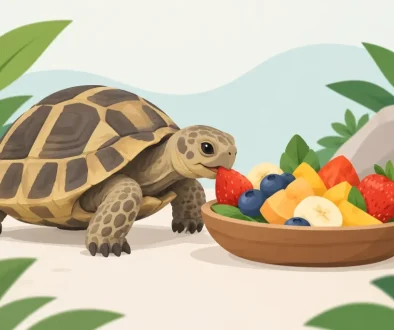
Fruit is not a routine food for either a Horsfield or a marginated. Neither are animal protein, bread, dairy products or supermarket salad as a staple diet. Lettuce alone offers very little nourishment, while sweet fruit can upset the digestive system and encourage unhealthy growth.
The exact quantity depends on age, activity, temperature and the individual tortoise. A growing youngster needs close observation, but fast growth is not automatically good growth. Steady development, a firm shell and a good appetite are more useful signs than trying to make a tortoise grow quickly.
Hibernation is a decision, not a shortcut
Horsfield tortoises naturally hibernate and many healthy, established animals can be hibernated safely when properly prepared. Marginated tortoises may also hibernate, but the decision should be made only after considering the animal’s age, health, weight, history and the conditions available.
Hibernation should never be attempted because heating costs are inconvenient or because the weather has turned cold. A tortoise must be healthy, correctly hydrated and assessed before any planned hibernation. Youngsters, newly acquired animals, underweight tortoises and those with any health concern should not simply be put away for winter.
For first-time owners, it is often best to discuss the individual animal’s situation before making a decision. Good records of weight, feeding and behaviour are useful throughout the year and especially valuable before winter.
Legal paperwork and buying with confidence
When comparing species, paperwork matters as much as husbandry. Tortoises must be captive-bred and legally supplied. Marginated tortoises are protected species and, when offered for sale, normally require specimen-specific Article 10 documentation. Keep original paperwork safely for the lifetime of the tortoise, as it supports its legal status and future transfer if circumstances change.
Horsfield tortoises are also subject to wildlife trade controls. Ask for clear evidence of lawful captive-bred origin and retain all purchase records. Identification and documentation requirements can vary with the species, specimen and current regulations, so a specialist seller should explain exactly what accompanies your tortoise and what you need to keep.
Avoid impulse purchases from unverified adverts. A healthy tortoise should have clear, alert eyes, a firm shell, clean nostrils and purposeful movement. More importantly, you should be able to ask practical questions before buying: what has it been eating, how has it been housed, what documents are supplied, and what support is available once it arrives?
Which tortoise is right for your home?
Choose a Horsfield if you want a smaller, active tortoise and can build a very secure, dig-proof enclosure. It is often a sensible species for a first-time keeper, provided the digging, seasonal care and lighting requirements are taken seriously.
Choose a marginated if you have more space, are comfortable planning for a large adult and want a handsome Mediterranean species with a strong garden presence. It can be a rewarding tortoise, but its eventual size makes it less forgiving of inadequate accommodation.
At Tortoises 4 You, our advice after 44 years is to plan for the adult animal, not the first few months. A well-chosen tortoise, correct paperwork and a properly prepared home give you the best start to a long and enjoyable responsibility. Before you decide, measure the space you can dedicate, think honestly about winter care, and choose the species whose natural behaviour you can properly accommodate.