How Big Does a Horsfield Tortoise Get in the UK?
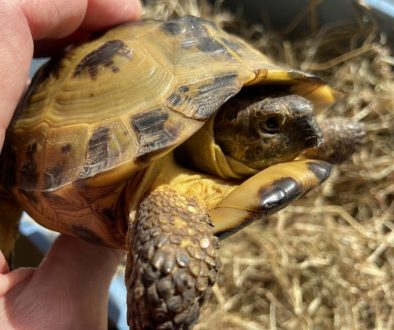
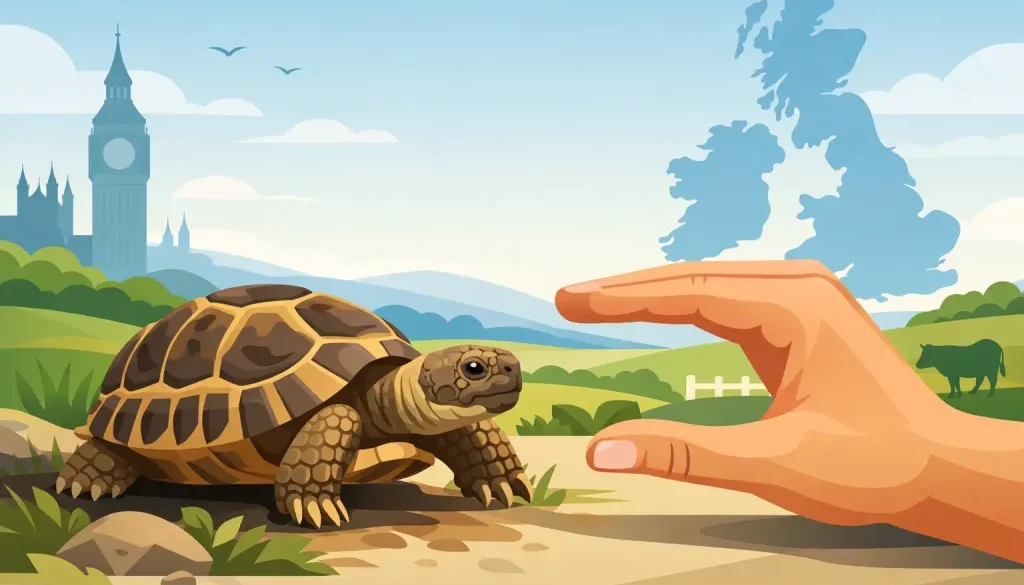
A Horsfield tortoise may fit comfortably in two hands when you first bring it home, but it is not a tortoise that stays tiny. If you are asking, how big does a Horsfield tortoise get, most healthy adults reach between 13 and 25 cm in straight shell length. That is roughly 5 to 10 inches, with females usually growing noticeably larger than males.
Their manageable adult size is one reason Horsfields are popular garden tortoises in the UK. However, size should never be the only consideration. A small tortoise still needs a properly heated indoor enclosure, safe outdoor time in suitable weather, a high-fibre diet and a home prepared for decades of care.
How Big Does a Horsfield Tortoise Get as an Adult?
Horsfield tortoises, also called Russian tortoises, are among the smaller commonly kept Mediterranean-type tortoises. Adult size varies with sex, genetics, early care and general health, but the usual ranges are straightforward.
Adult males commonly measure around 13 to 18 cm. Adult females are often 18 to 25 cm and can appear much broader and heavier than males, particularly when fully mature. A large female at the upper end of that range is still a compact tortoise compared with a Marginated tortoise, but she needs considerably more room than many new owners expect.
Measurements should be taken in a straight line from the front to the back of the carapace, the upper shell. Do not measure around the curve of the shell, as this gives a misleadingly large figure. Weight can also vary significantly between individuals, so shell length, body condition and activity are more useful together than weight alone.
Male and female size differences
Sex is one of the main reasons that two Horsfield tortoises of a similar age can be very different sizes. Females are usually larger, rounder and heavier, while males tend to remain smaller and may look more elongated. Mature males generally have a longer, thicker tail, with the vent positioned further from the shell.
Young tortoises cannot always be sexed reliably. It is sensible to choose a tortoise because you can meet its long-term needs, rather than because you expect a particular sex or final size. A specialist can offer guidance, but nature has the final say until the tortoise matures.
How Quickly Do Horsfield Tortoises Grow?
There is no fixed yearly growth chart that suits every Horsfield. Hatchlings and young juveniles can grow steadily in their first few years, but growth is not perfectly even. A tortoise may have periods of faster development followed by quieter months, especially where seasonal temperatures and natural activity change.
With correct care, most Horsfields take several years to approach adult size. Females may continue adding body mass after they have reached much of their shell length. Slow, steady growth is generally preferable to rapid growth. A tortoise pushed to grow too quickly through excess food, unsuitable diet or incorrect temperatures can develop poor shell shape and long-term health issues.
A smooth, firm shell and an alert, active tortoise are better signs than trying to make a youngster reach a particular measurement by a particular birthday. Regular weighing, alongside occasional straight shell measurements, gives a useful record for your own vet and for monitoring progress at home.
What Affects a Horsfield Tortoise’s Final Size?
Genetics sets the broad potential, but husbandry determines whether a tortoise can develop properly within that range. Captive-bred tortoises from known, responsibly kept parents give buyers much greater confidence than animals of uncertain origin.
Diet is particularly important. Horsfields are adapted to a diet rich in weeds, flowers and leafy plants, not fruit-heavy meals or rich commercial foods. Too much protein and energy can encourage unnaturally fast growth, obesity and shell problems. A varied, high-fibre diet with correct calcium provision supports steady development.
UVB lighting, warmth and access to a suitable basking area allow the tortoise to use calcium properly and regulate its activity. Indoors, a tortoise needs more than a heat mat or a small glass tank. A well-planned tortoise table or enclosed pen with appropriate lighting, temperature gradients and a safe substrate is far more suitable.
Outdoor space is beneficial when UK conditions allow, but a Horsfield must have a secure run. They are accomplished diggers and surprisingly determined climbers. The perimeter needs to be escape-proof below ground as well as above it, and the area should provide shelter, shade and protection from predators.
Small Tortoise, Sensible Space Requirements
A 20 cm adult tortoise does not need a 20 cm enclosure. This is one of the most common misunderstandings when people choose a smaller species. Horsfields are active, inquisitive animals that naturally roam and dig. Restricting them to a cramped indoor space can lead to frustration, poor exercise and practical difficulties in creating a safe temperature gradient.
For a single adult, aim for the largest practical floor area rather than buying an enclosure based only on the tortoise’s current length. Youngsters grow, and a set-up that looks generous for a hatchling can become inadequate quickly. A spacious indoor enclosure is essential during colder periods, while a secure outdoor pen gives valuable room during warm, suitable weather.
They also need places to hide and dig. A tortoise that spends time under cover is not necessarily unhappy. Hiding, basking, grazing and exploring are all normal parts of Horsfield behaviour when the environment is correctly arranged.
Does Hibernation Affect Their Growth?
Horsfields are a species that may hibernate, but hibernation should never be treated as automatic. Whether a tortoise is suitable depends on its health, body condition, age, weight history and the advice of an experienced reptile vet or knowledgeable specialist. An unwell or underweight tortoise must not be hibernated.
A properly managed hibernation can be part of the annual cycle for an established, healthy Horsfield. It can also mean there is a natural pause in feeding and growth over winter. This is not a reason to try to compensate with excessive feeding in spring. The goal remains stable condition and gradual development, not maximum size.
First-time keepers should discuss the process well before autumn. Preparation starts with accurate records and health checks, not when temperatures have already dropped.
Choosing a Healthy Young Horsfield
When viewing a young Horsfield, do not judge it only by how small and appealing it looks. Look for bright, clear eyes, a clean nose, a firm shell and alert movement. The tortoise should be eating well and should come with clear information about its age, care and legal status.
Ask what it has been eating, how it has been housed and what support is available once it is home. A responsible seller should be happy to discuss heating, lighting, diet, outdoor accommodation and winter planning before purchase. At Tortoises 4 You, that practical, friendly advice is part of helping owners make the right choice, backed by many years of specialist experience.
For protected tortoise species, documentation requirements can differ, so always retain the paperwork supplied with your animal. Buying captive-bred from a reputable UK specialist is the right starting point for both welfare and legal confidence.
The Right Expectation for a Horsfield Owner
A Horsfield tortoise reaches a modest adult size, usually no larger than 25 cm, but its care commitment is anything but modest. It may live for many decades and will rely on you for correct warmth, UVB, nutrition, safe exercise and sensible winter decisions throughout that time.
If you can provide the space and routine it needs, its compact size, characterful behaviour and suitability for a secure garden run can make the Horsfield a rewarding species to keep. Start by planning for the adult tortoise, not the baby you first see, and you will be giving it the better chance of a healthy, well-shaped life.