Marginated Tortoise for Sale in the UK
If you have seen a marginated tortoise for sale and are wondering whether it is the right species for your home, the first thing to know is that this is not a tortoise to buy on looks alone. Marginated tortoises are attractive, hardy when kept properly, and full of character, but they also need correct housing, heating, diet, and legal paperwork. Buying from a genuine specialist makes all the difference.
For many keepers, the appeal is obvious. The marginated tortoise is the largest of the commonly kept Mediterranean tortoises, with a striking shell shape that becomes more pronounced with age. They can make rewarding long-term pets, but they are not an impulse purchase. A healthy captive-bred animal from a reputable UK seller gives you a far better start than a vague online advert or a seller who cannot answer basic husbandry questions.
What to look for in a marginated tortoise for sale
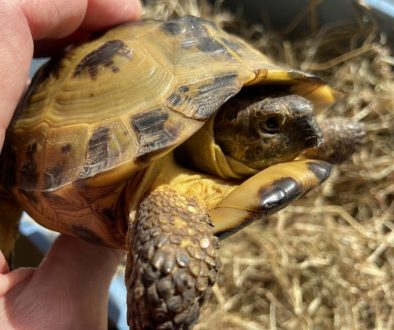
When you are choosing a young tortoise, health and background matter more than size or price alone. A well-started marginated tortoise should be bright, alert, and active at the right time of day. The eyes should be clear, the nostrils clean, and the shell firm and evenly grown. You want to see smooth growth rather than obvious pyramiding, and the animal should feel solid rather than light for its size.
Just as important is where the tortoise has come from. In the UK, buyers should always favour captive-bred stock from an established specialist. That helps reduce welfare concerns and gives you a much better idea of age, feeding history, and general care. It also means you are more likely to receive proper guidance on heating, lighting, substrate, diet, and hibernation.
Price can vary depending on age, size, and availability, but the cheapest option is often not the best value. If a tortoise is poorly started, underweight, or comes without proper documents where required, you can quickly end up with stress, vet costs, and uncertainty that could have been avoided.
Why buyers should choose a specialist seller
A marginated tortoise is a long-term commitment, so it makes sense to buy from someone who knows the species properly. A specialist retailer should be able to talk you through the differences between species, explain whether a marginated tortoise suits your setup, and give straightforward advice before you buy rather than after something goes wrong.
This is especially important for first-time keepers. Many people start by comparing Hermann’s, Horsfield, and marginated tortoises. There is some overlap in care, but there are differences in adult size, growth rate, and housing needs. A marginated tortoise generally needs more space as it matures, and that should be considered from the outset.
An experienced seller should also be clear about legal compliance. Protected tortoise species must be sold correctly, and any required paperwork should be in order. If a seller seems vague about documentation, breeding origin, or the animal’s history, walk away.
Legal points when buying in the UK
For UK buyers, legality is not a small detail. It is part of responsible ownership. Marginated tortoises are a protected species, so sales must comply with the relevant rules. Depending on the specimen, this may include specimen-specific Article 10 certification and microchipping when size regulations require it.
That may sound complicated, but a proper specialist will make it straightforward. You should know exactly what documents apply to your tortoise, what they mean, and what you need to keep safely for future reference. If you ever decide to sell the tortoise on later in life, those records matter.
It is also worth checking that the seller is used to operating within current UK animal welfare standards. Buyers in England and Wales often want delivery as well as collection options, and live animals should only be transported by appropriate registered couriers with welfare in mind.
Is a marginated tortoise right for you?
Marginated tortoises suit many keepers well, but not every household. They are often chosen by people who want a Mediterranean species with a bit more presence, both in looks and eventual size. Adults can become impressively shaped, and they need room to move, graze, and thermoregulate properly.
For a young tortoise, indoor accommodation with the correct heat and ultraviolet lighting is essential. As the weather allows, secure outdoor time can be very beneficial. In the longer term, many keepers provide outdoor enclosures during suitable periods, but this depends on the tortoise’s age, local conditions, and the setup available.
They are not noisy pets and they do not need walks or grooming, but they do need consistency. If you want an animal you can leave with minimal thought, a tortoise is not the right choice. If you are prepared to learn the basics and provide proper daily care, they can be a very rewarding species to keep.
Care basics before you buy
Before reserving any marginated tortoise for sale, have the enclosure ready. Waiting until after purchase is one of the most common mistakes. Your tortoise should arrive to a stable environment, not a box of parts and a lamp still in the post.
Young marginated tortoises need a suitable tortoise table or equivalent open-topped setup, correct basking temperatures, access to cooler areas, and reliable UVB lighting. The exact equipment can vary depending on the enclosure size and the room temperature in your home, which is why practical advice matters. There is no single one-size-fits-all answer.
Diet is equally important. Marginated tortoises do best on a high-fibre, weed-based diet with good calcium provision. Rich supermarket foods, fruit, and excessive protein can cause long-term problems. Steady, correct growth is the goal, not rapid growth.
You should also think ahead about holidays, power cuts, and routine care. Who will check the tortoise if you are away for a weekend? Do you know how to monitor weight and growth? These are sensible questions, not obstacles, and answering them early usually leads to a smoother experience.
Buying online or by telephone
Many people now begin their search online, which is convenient, but there is still real value in speaking to someone directly before buying a tortoise. A telephone conversation can quickly tell you whether the seller understands the species and whether the species suits your home.
That personal contact is especially useful if you are choosing between available hatchlings or asking about timing. Some buyers want a tortoise immediately, while others are happy to wait for the right animal or the right time of year. A proper retailer will explain availability clearly and will not rush you if your setup is not yet ready.
At Tortoises 4 You, that direct and practical approach matters. After forty-four years of experience, the focus remains the same: healthy captive-bred tortoises, correct legal support, and free friendly advice that helps customers buy with confidence.
Delivery, collection, and peace of mind
For buyers across England and Wales, delivery can be a sensible option when handled correctly. The key point is that live animals are not ordinary parcels. Transport arrangements should be planned around welfare, suitable timing, and secure handover.
Some customers prefer collection because they want to ask final questions face to face. Others are too far away and need courier delivery. Either can work well if the seller is organised and experienced. What matters is that the tortoise is packed appropriately, the journey is managed properly, and you know what to expect on the day.
Once the tortoise arrives, you should receive clear advice on settling in. Most young tortoises need a little quiet time to adjust, and appetite can vary slightly in the first day or two. That is normal, but buyers should know what is normal and what is not.
A good purchase starts before the sale
The best time to ask questions is before you pay. Ask about the tortoise’s age, feeding routine, paperwork, current setup, and whether the species is genuinely suited to your circumstances. A good seller will not mind. In fact, they should welcome it.
Buying a marginated tortoise is not just about finding one available. It is about finding a healthy captive-bred animal from a seller who will give you straight answers and proper support. When that part is done right, ownership is far simpler and far more enjoyable.
If you are considering a marginated tortoise, take a little time, get your setup prepared, and speak to someone who knows the species properly – it is the sort of careful start that pays off for years.