Are Tortoises Good Pets? UK Owner Advice
A tortoise may be quiet, clean and fascinating to watch, but it is not a low-effort pet that can be left in a small enclosure. Are tortoises good pets? For the right UK home, they can be a very rewarding choice. They suit people who enjoy a steady routine, can provide proper space and heating, and are prepared for a commitment that may last many decades.
The best decision is made before you choose a species. A healthy, captive-bred tortoise needs more than a bowl of food and somewhere warm to sleep. It needs correct lighting, a suitable diet, outdoor time when conditions allow, secure accommodation and an owner willing to learn its normal behaviour.
Are Tortoises Good Pets for UK Homes?
Tortoises make good pets for people who value observation over interaction. They have individual habits, recognise regular routines and can become confident around familiar people. Many owners enjoy seeing their tortoise graze, explore a safe garden run and settle into its daily pattern.
They are also relatively quiet. There is no barking, fur around the house or daily walks in the rain. For families, a tortoise can be a wonderful way to teach children respect for an animal’s needs. However, an adult must always take responsibility for the care, equipment, costs and legal paperwork.
The trade-off is that tortoises are not cuddly pets. They should not be passed around, regularly picked up or treated as a toy. Handling is sometimes necessary for health checks, weighing and moving them safely, but most tortoises prefer to keep all four feet on the ground. If you want a pet that actively seeks physical affection, a tortoise may not be the right fit.
Their long lifespan also deserves serious thought. Depending on species and care, a tortoise can outlive other household pets and may be part of family life for generations. Before buying, consider who will care for it during holidays, house moves, changes in work routine and later life.
The Daily Care Behind a Healthy Tortoise
Correct husbandry is what separates a thriving tortoise from one that merely survives. In Britain, young tortoises and many indoor setups need a properly heated enclosure with the right ultraviolet lighting. Heat and UVB are not optional extras. They help the tortoise regulate its body temperature, use calcium properly and maintain healthy bones and shell growth.
A suitable enclosure must give the tortoise room to walk, turn, bask, hide and feed naturally. Small glass tanks are usually unsuitable for long-term tortoise keeping. They can restrict space, create poor airflow and make it harder to provide a useful temperature gradient. The exact setup depends on the tortoise’s size, age and species, so it is worth getting advice before the animal arrives rather than trying to correct a poor setup afterwards.
Diet is another area where simple-looking care can go wrong. Most commonly kept Mediterranean and Horsfield tortoises need a varied, high-fibre diet based mainly on safe weeds and leafy plants. They do not need fruit as a regular food, and shop-bought salad alone is not a balanced long-term answer. Access to fresh water, calcium provision and regular weight checks are all part of sensible routine care.
Outdoor access can be very beneficial in suitable weather, but a UK garden needs preparation. The run must be secure against escapes, dogs, foxes and birds, while still offering sun, shade and shelter. Tortoises are surprisingly determined climbers and diggers. A fence that looks adequate to us may not stop a tortoise that has found a tempting corner.
Choose the Species to Suit Your Space
There is no single best pet tortoise. The right choice depends on the room you have, whether you can create a secure outdoor area, your experience and the level of ongoing care you can provide.
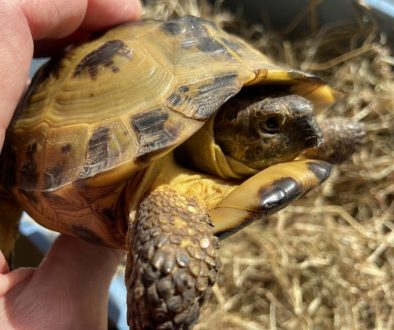
Horsfield tortoises are often popular because they are compact and active. They are known for digging, so they need a setup designed with this in mind. Hermann’s tortoises are another well-loved choice, with attractive markings and manageable adult size for many committed keepers. Marginated tortoises grow larger and need more room, making them better suited to owners who can plan for their adult requirements from the beginning.
Western Dwarf Hermann’s tortoises are rarer and smaller, but smaller does not mean easier. Every species needs correct temperatures, diet and accommodation. Choosing solely on appearance or the size of a hatchling is one of the quickest ways to make the wrong match.
A specialist should be able to discuss the likely adult size, temperament, enclosure needs and documentation for the individual tortoise you are considering. At Tortoises 4 You, this practical conversation is part of helping buyers choose carefully rather than rushing into a purchase.
Costs Are Ongoing, Not Just the Purchase Price
The initial price of a tortoise is only one part of ownership. Before bringing one home, budget for a properly sized enclosure, heat source, UVB lighting, thermostatic control, substrate, hides, feeding equipment and a secure outdoor run where appropriate. Good equipment is a welfare investment, not an area to cut corners.
There are also continuing costs for replacement UVB lamps, electricity, food, bedding, veterinary care and holiday care. Reptile-experienced vets can be more specialist than a general small-animal practice, so it is sensible to identify one locally before there is an urgent problem.
A tortoise should be weighed regularly, especially when young. A sudden change in appetite, activity, weight, breathing or shell condition should not be ignored. Tortoises are good at masking illness, and early advice is usually far more helpful than waiting to see if things improve on their own.
Legal Paperwork Matters
Buying a tortoise responsibly in the UK means knowing where it has come from and retaining the relevant paperwork. Captive-bred animals from a reputable specialist offer clear provenance and avoid supporting the harmful removal of tortoises from the wild.
Some species are subject to stricter controls. Where required, a tortoise should be supplied with its specimen-specific Article 10 certificate, and some animals must be microchipped in line with the applicable rules. Keep original documents safely for the life of the tortoise. They can be needed if you sell, rehome, breed from or otherwise commercially use an animal later.
Do not accept vague assurances that paperwork will follow later. Ask what documents apply to the individual animal and make sure names, species details and identification information are correct. Legal compliance protects both the keeper and the tortoise.
Is Your Household Ready?
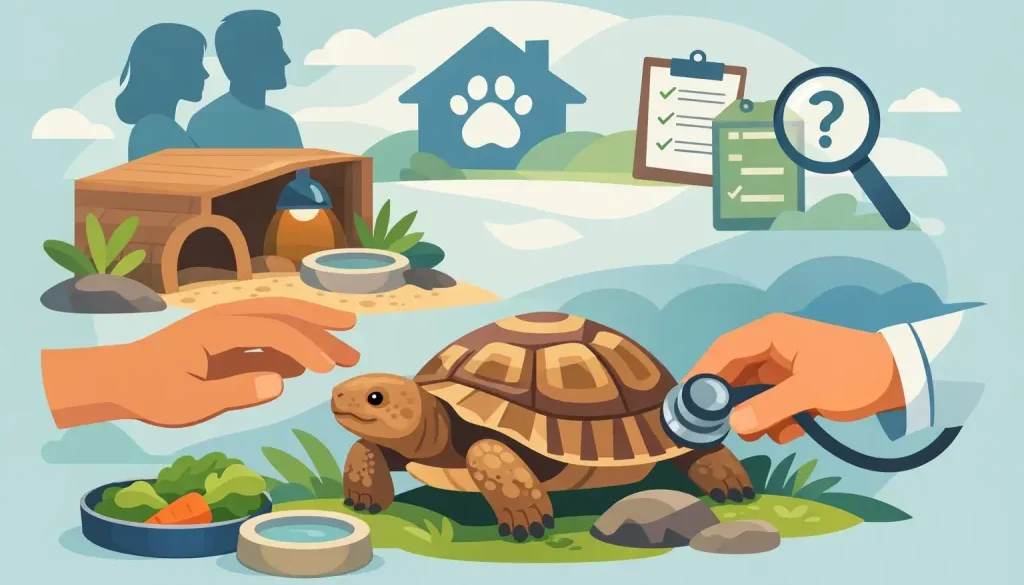
Before committing, be honest about the practical points that matter most. A tortoise is likely to suit you if you can provide all of the following:
- A properly planned indoor enclosure and the correct heat and UVB equipment.
- A safe, secure place for outdoor time when weather conditions are suitable.
- Time for daily checks, feeding, cleaning and regular monitoring.
- Funds for equipment, electricity, ongoing supplies and specialist veterinary care.
- A long-term plan for holidays, moves and the tortoise’s care if circumstances change.
If any of these are uncertain, waiting is the responsible choice. It is far better to prepare fully and buy later than to bring home an animal before its accommodation is ready.
A Pet Worth Preparing For
Tortoises reward patient owners. They are not demanding in the way a dog may be, but their needs are specific and cannot be put off until the weekend. A well-kept tortoise can become a much-loved part of the household, with its own familiar routines and character.
Take time to choose the right species, set up its home before purchase and ask direct questions about care and paperwork. That preparation gives your tortoise the secure start it deserves and gives you confidence that you are ready to enjoy keeping it for many years.