CITES Regulations for Pet Tortoise Owners
A tortoise may be a small pet, but the responsibility that comes with one can last for decades. CITES regulations are part of that responsibility for many commonly kept tortoise species in the UK. They are there to protect wild populations, prevent illegal trade and give genuine keepers confidence that their animal has been bred, identified and sold properly.
For a first-time owner, the paperwork can look more complicated than it is. The key is to buy from a knowledgeable, established seller, understand what documents apply to your particular tortoise, and keep those documents safe for the animal’s lifetime.
What are CITES regulations?
CITES stands for the Convention on International Trade in Endangered Species of Wild Fauna and Flora. It is an international agreement that controls trade in protected animals and plants. In the UK, CITES rules are applied through wildlife trade legislation and are overseen by the relevant authorities.
Tortoises are included because wild populations have historically been affected by collection for the pet trade, habitat loss and illegal movement between countries. CITES does not stop people from keeping a pet tortoise. Instead, it places controls on the movement and commercial sale of species that need protection.
The level of control depends on the species and its listing. This is why it is not enough for a seller simply to say that a tortoise is “CITES registered”. Its species, captive-bred status, identification and paperwork all matter.
Which pet tortoises need CITES paperwork?
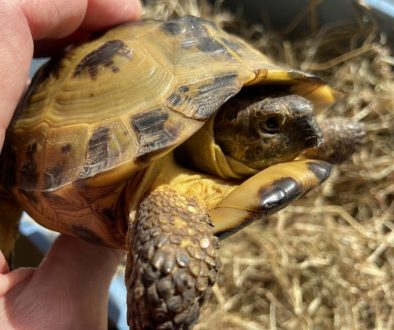
Several popular garden tortoise species are covered by CITES. Hermann’s tortoises, Western Dwarf Hermann’s tortoises and Marginated tortoises are generally treated as Annex A species for UK commercial sale. This means a valid Article 10 certificate is normally required before they can be advertised, sold or otherwise used commercially.
Horsfield tortoises are also CITES-listed, but they are generally subject to different controls as an Annex B species. An Article 10 certificate is not normally required for their sale in the same way as it is for Annex A tortoises. That does not make source or welfare any less important. A responsible seller should still be able to explain where the tortoise came from and provide a proper sales record.
It is always worth checking the exact scientific name, rather than relying only on a common name. Similar-looking tortoises can have different legal requirements. If you are unsure, ask before reserving an animal, not after it has arrived.
What an Article 10 certificate does
An Article 10 certificate is the document that allows certain Annex A specimens to be used commercially. In practical terms, it supports the legal sale of the individual tortoise named or identified on the certificate.
For live tortoises, the certificate should be specimen-specific. It will contain details that identify the animal, such as its species, hatch date or year, source code, sex where known, and microchip number when the tortoise is large enough to be chipped. Some young tortoises may be identified initially by photographs or other approved marking details, with a microchip added later if required.
The certificate is not just a general sheet of paper for a species. It relates to the particular tortoise. A certificate for one Hermann’s tortoise cannot be reused for another, even if they are the same size and from the same breeder.
When buying an Annex A tortoise, make sure the certificate details match the animal you are collecting or having delivered. If a microchip number is stated, it should match the chip that can be read by a suitable scanner. The seller should explain what paperwork you will receive and any conditions that apply to its future transfer.
Buying a tortoise legally in the UK
The safest route is simple: buy a healthy captive-bred tortoise from a specialist who understands both husbandry and the legal requirements of the species they sell. A very cheap animal with vague paperwork is rarely a bargain. It can leave the buyer with an animal that cannot legally be sold on later and a difficult situation if its provenance is questioned.
Before you buy, ask direct questions. A good retailer should answer them clearly and without making you feel awkward. You should establish:
- the tortoise’s exact species and whether it is captive bred;
- whether an Article 10 certificate is required and supplied;
- how the tortoise is identified, including any microchip details;
- what support is available for its care, diet and paperwork after purchase.
An invoice or receipt is useful for every tortoise, but it does not replace an Article 10 certificate where one is needed. Keep the sales record with all CITES documents, microchip information and veterinary records. Photographing the documents for your own backup is sensible, but the original paperwork should be stored securely and kept dry.
At Tortoises 4 You, our approach is to make the legal side clear before a customer commits, alongside the equally important questions of housing, heating, feeding and long-term care. The right paperwork matters, but so does being ready to provide the tortoise with a suitable life from day one.
CITES regulations when you sell, gift or rehome a tortoise
The rules become particularly important when an Annex A tortoise changes hands. Commercial use can include offering an animal for sale, selling it, advertising it or using it in a business context. A valid certificate must be in place before those activities happen.
A genuine gift between private individuals may be treated differently from a sale, but it is unwise to assume that calling a payment a “gift” removes the legal requirements. Any money changing hands, advert placed, breeding arrangement or business element can alter the position. If there is doubt, get advice from the relevant authority before proceeding.
When rehoming a tortoise, provide the new keeper with all original documentation and a clear written record of the transfer. Do not keep the Article 10 certificate in a drawer because you may want it later. It belongs with the specimen it identifies. The new keeper will need it if they ever need to demonstrate legal acquisition or later transfer the tortoise correctly.
Certificate procedures can vary according to the wording and type of certificate, so read the conditions carefully. If a certificate has been lost, damaged or contains an error, do not try to alter it yourself. Contact the issuing authority, usually through the Animal and Plant Health Agency process, for guidance before advertising or moving the animal on.
Microchips: why they matter
Microchipping helps connect an individual tortoise with its legal record. A chip is a permanent identification number read with a scanner, rather like those used for dogs and cats. In protected tortoises, it reduces the risk of animals being substituted, misdescribed or passed off with someone else’s paperwork.
Young hatchlings are not always big enough for microchipping immediately. Where a certificate permits another method of identification, the tortoise may later need to be chipped once it reaches a suitable size. This is not a job to rush. It should be carried out by an experienced reptile veterinary professional who can assess the tortoise and place the chip correctly.
A microchip is valuable, but it is not a replacement for the certificate. The number must correspond with the supporting documentation. If you buy a chipped tortoise and the number does not match the paperwork, stop and ask for an explanation before completing the purchase.
Imports, travel and animals from uncertain sources
Importing a tortoise into Great Britain is different from buying a captive-bred animal already established in the UK. International movement can require CITES export or re-export documents, import permits and checks before the animal travels. Rules can also differ for movements involving Northern Ireland and other countries.
For most families, there is no practical advantage in trying to arrange an overseas purchase privately. It adds cost, delay and paperwork, and it can make it harder to judge the animal’s breeding history and health. Buying within the UK from a reputable specialist is usually the more straightforward option.
Be especially cautious with tortoises advertised without species information, proof of origin or clear photographs of their documents. Do not accept phrases such as “papers available later” for an Annex A animal. The paperwork should be right before the sale takes place.
Keep the paperwork with the tortoise
A tortoise can outlive its first owner by many years. That is why legal records need to be treated as part of the animal’s lifelong care, not as a one-off purchase formality. File them safely, tell family members where they are kept, and pass them on if the tortoise is ever rehomed.
Before reserving a tortoise, take a moment to ask about both its certificate and its care plan. A seller who is happy to discuss heating, diet, housing, identification and legal paperwork is giving you the right kind of support for a long-lived animal.