Buy Captive Bred Tortoises in the UK
If you want to buy captive bred tortoise UK buyers can keep with confidence, the first question is not price – it is source. A healthy tortoise from a knowledgeable, welfare-led specialist gives you a far better start than a vaguely advertised animal with little background, no proper paperwork and no real aftercare. For most people, especially first-time keepers and families, that difference matters more than anything else.
A tortoise is not an impulse purchase. It can live for decades, needs correct heating, lighting, diet and space, and in some cases comes with legal requirements that must be followed properly. Buying from a specialist means you can ask the practical questions before you commit, rather than trying to correct mistakes afterwards.
Why buy a captive bred tortoise in the UK?
Captive-bred tortoises are the right choice for both welfare and legality. They are bred in controlled conditions, are generally better accustomed to life in human care, and should come with a clearer history than imported or poorly documented animals. That gives you a better chance of starting with a well-established young tortoise that has been feeding, growing and developing properly.
There is also the legal side. Some tortoise species require specific documentation under CITES rules, and protected specimens may need an Article 10 certificate. Depending on species and size, microchipping may also apply. A proper specialist will explain what is required and supply the relevant paperwork where needed. That is not a small detail – it is part of responsible ownership.
Where to buy captive bred tortoise UK buyers can trust
The safest place to buy is a long-established specialist breeder or retailer with clear species information, proper husbandry knowledge and a straightforward approach to legal compliance. You want somebody who can tell you exactly what species is available, how it has been kept, what temperatures it needs, what it eats and whether any certification is included.
Be cautious if a seller cannot answer simple care questions or seems more interested in making a quick sale than matching you with the right tortoise. The same applies if adverts are vague about whether the animal is captive bred, if there are no clear photographs, or if the paperwork is brushed aside. A genuine specialist will not treat these points as optional.
For many buyers, being able to speak on the phone is a real advantage. It allows you to explain your set-up, your experience level and whether the tortoise is for you or for a family member. Good advice before purchase often prevents disappointment later.
Choosing the right species
Not every tortoise suits every home. In the UK, some Mediterranean species are especially popular because they are manageable in size, well understood in terms of care, and suitable for private keepers when housed properly.
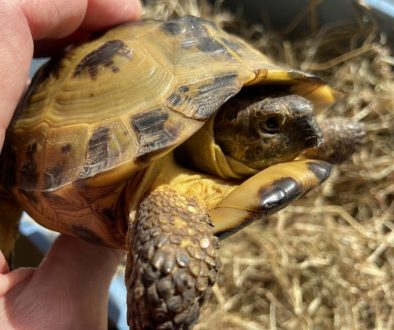
Horsfield tortoises are often chosen by people who want an active, characterful tortoise. They can be lively and entertaining, but they are also known for digging and testing enclosure boundaries, so their accommodation needs to be secure. They are not difficult if cared for correctly, but they do best with owners who understand that active behaviour is normal and not a problem to be suppressed.
Hermann’s tortoises are a favourite for good reason. They are attractive, generally steady in temperament and widely regarded as a sensible choice for many first-time keepers. Within that group, Western Dwarf Hermann’s are particularly sought after because of their smaller size and rarity, but that can also mean more limited availability and specific paperwork requirements.
Marginated tortoises are another excellent species, though they grow larger than some first-time buyers expect. That does not make them unsuitable, but it does mean you need to think further ahead about space, outdoor accommodation and long-term care.
This is where honest advice matters. The best species for you depends on your home, your budget, your intended enclosure and how prepared you are for long-term keeping.
What a good seller should provide
A proper specialist should do more than hand over a tortoise. You should expect clear information on husbandry, feeding and set-up, along with honest guidance on what you need before the tortoise arrives.
That includes advice on heating, UVB lighting, substrate, bathing, diet and safe housing. It should also include a realistic conversation about age and size. Very small tortoises can look appealing, but buyers still need to know they require correct temperatures and close attention from day one.
If the species is protected, paperwork should be handled properly and explained in plain English. If delivery is offered, it should be through a registered animal courier rather than treated like an ordinary parcel. These are the signs that a business takes welfare seriously.
Buying online or by telephone
Buying online can be convenient, but it only works well when the seller has proper systems and proper support behind the website. Clear species listings, availability updates and transparent terms are all useful, but the real value comes from being able to speak to somebody who knows the animals.
Telephone advice is especially helpful if you are unsure which species is right, whether your enclosure is suitable, or what documents you should receive. It also gives you a chance to judge the seller. If they are patient, direct and happy to answer practical questions, that is usually a good sign.
At Tortoises4You, direct, specialist support is a key part of our service. After forty four years in the trade, straightforward advice still matters just as much as the tortoise itself.
Delivery in England and Wales
Tortoises are great for Nationwide delivery. They will simply sleep whilst being transported. We always use the services of a registered animal courier, never by a standard delivery service.
Many buyers are understandably cautious about transport, and that is sensible. Ask how delivery is arranged, which areas are covered, and what happens on the day. A reputable seller will explain the process clearly and make sure the tortoise is dispatched responsibly.
Delivery is often the most practical option for buyers who do not live near a specialist, but it should never come at the expense of welfare. Done properly, it offers convenience without cutting corners.
Common mistakes first-time buyers make
The biggest mistake is choosing the tortoise before sorting the set-up. The enclosure, heat source, lighting and diet plan should be in place first. A tortoise should arrive into a prepared, stable environment, not into a rushed one.
Another common mistake is assuming all tortoise species are broadly the same. They are not. Even species that are commonly kept in the UK differ in size, activity and long-term space requirements. Buying on appearance alone is rarely wise.
Paperwork is another area where buyers sometimes leave questions too late. If a species requires certification, ask about it before purchase and make sure you understand what you are receiving. Responsible ownership starts with proper records.
How to buy with confidence
If you are ready to buy captive bred tortoise UK wide, start by asking a few direct questions. Is the tortoise captive bred? Which species is it exactly? What documents come with it? What has it been eating? What enclosure and lighting do you need? How is delivery arranged?
A good seller will answer those questions clearly and without hesitation. They should also tell you if a tortoise is not the right fit for your circumstances. That kind of honesty is worth a great deal.
Price matters, of course, but cheap can quickly become expensive if the animal has been poorly started, incorrectly identified or sold without proper support. Paying for quality, legal compliance and reliable advice is usually the better decision.
A better start for you and the tortoise
Buying a tortoise should feel reassuring, not uncertain. When you choose a captive-bred animal from an experienced specialist, you are not simply buying a pet – you are buying into correct husbandry, proper legal guidance and support that helps you keep the animal well for years to come.
If you take the time to choose the right species, prepare the set-up properly and buy from somebody who knows what they are doing, you give your tortoise the best possible start – and make ownership far more enjoyable from the beginning.