Choosing a Licensed Tortoise Breeder UK
A tortoise can live for many decades, so buying one should never feel like a quick online purchase. Choosing a licensed tortoise breeder UK buyers can trust is about far more than finding the species you like. You need confidence that the tortoise has been responsibly captive bred, kept properly from the start and supplied with the correct legal paperwork where required.
For a first-time keeper, the right breeder or specialist retailer also provides something just as valuable as the animal itself: clear, practical advice before you commit. A healthy tortoise needs suitable heat, UVB lighting, space, diet and daily care. Starting with good information makes a real difference to its long-term welfare.
What a licensed tortoise breeder in the UK should provide
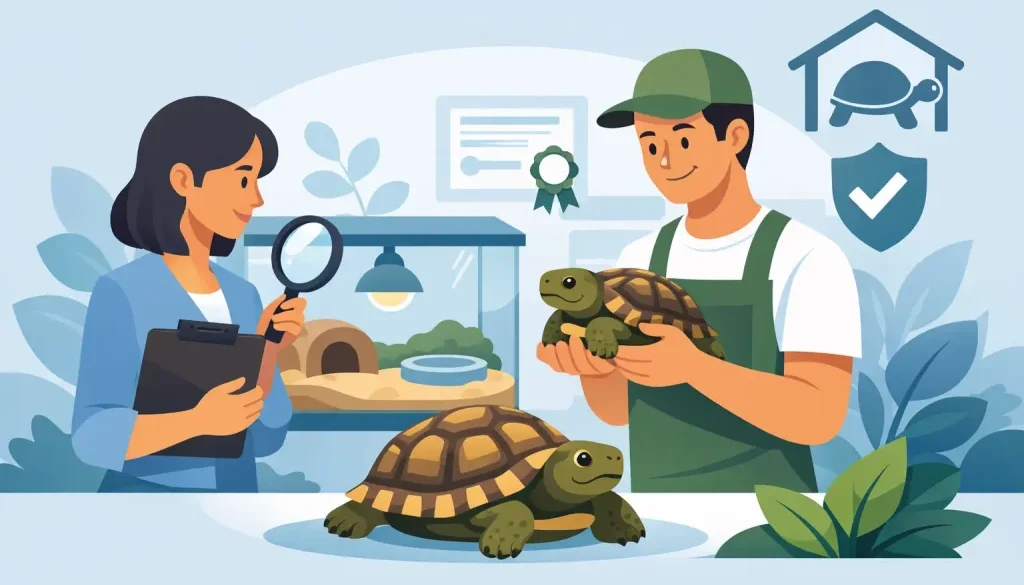
A reputable seller should be open about how their animals are cared for, where they come from and what is included with the purchase. In England and Wales, businesses selling animals as pets must meet relevant local authority licensing and welfare requirements. Licensing is not simply a badge on a website. It means the premises, animal care standards and record keeping can be subject to inspection.
Ask whether the tortoise is captive bred. Wild-caught tortoises have no place in the responsible pet trade. Captive-bred animals are the proper choice for welfare, conservation and traceability, and a specialist should be able to discuss this plainly.
You should also expect honest guidance about whether a species suits your home and experience. A good seller will not tell every customer that every tortoise is ideal. A young Horsfield tortoise, for example, has different needs and temperament considerations from a Hermann’s or Marginated tortoise. The best choice depends on the space you can provide, your household, your garden arrangements and your willingness to set up correct indoor accommodation.
Health, husbandry and the questions worth asking
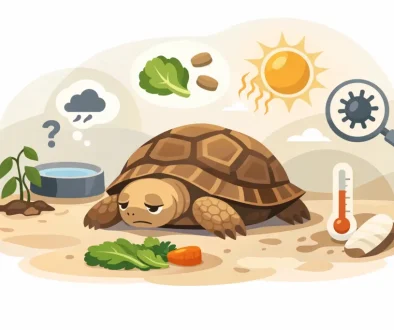
A bright-eyed tortoise that is alert and moving well is encouraging, but appearance is only one part of the picture. Good early husbandry has a lasting effect on growth and shell condition. Ask what the tortoise has been eating, what temperatures it has been kept at and what UVB lighting has been used. The answers should be specific, not vague.
A specialist should be able to explain the care routine in terms a new keeper can follow. That includes the right food, access to fresh water, a safe basking area, suitable substrate and the need for a proper temperature gradient. Tortoises cannot regulate their body temperature in the way mammals can, so a heat lamp alone is not a complete set-up.
It is sensible to prepare the enclosure before arranging delivery or collection. This gives you time to test temperatures and check the UVB equipment is correctly positioned. Bringing a tortoise home before its accommodation is ready is one of the most avoidable mistakes a new owner can make.
Be realistic about outdoor keeping
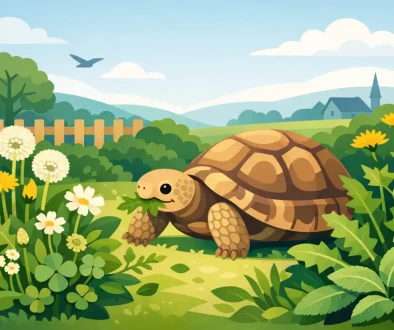
People often picture a tortoise living outside in a British garden all summer. Secure outdoor time can be excellent for suitable species in suitable weather, but it is not a replacement for an indoor set-up. Our climate is changeable, nights can be cold and gardens carry risks from foxes, dogs, birds, pesticides and escape routes.
A tortoise must never be left loose and unsupervised in the garden. It needs a secure, predator-proof area, shelter from heavy rain and shade as well as sunshine. For much of the year, especially for young tortoises, controlled indoor warmth and UVB are essential.
Understanding CITES and Article 10 certificates
Legal documentation is a key reason to buy from an established specialist. Some tortoise species are protected under CITES controls, and certain specimens require a specimen-specific Article 10 certificate before they can be sold legally in the UK.
The certificate is not generic paperwork that can be copied from one tortoise to another. It should relate to the individual animal. Where required, microchipping is used to identify the tortoise and support that traceability. Keep all original documents safely for the life of the tortoise. If you later move home, rehome the animal or need to demonstrate legal ownership, those records matter.
Do not be embarrassed to ask about documentation before paying a deposit or placing an order. A responsible breeder will expect the question and explain what applies to the species and specimen you are considering. If somebody dismisses paperwork, cannot show it when needed or offers an unusually cheap protected tortoise with no clear history, walk away.
Choosing the right species for your household
There is no single best pet tortoise. There is only the species that fits the care you can provide.
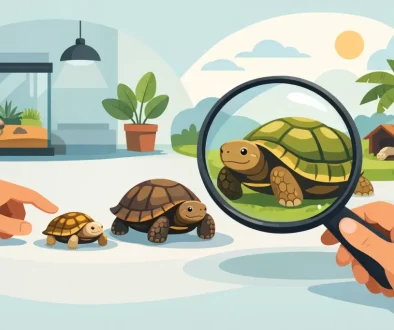
Horsfield tortoises are popular with UK keepers because they are relatively small and full of character. They are active, strong-minded animals and accomplished diggers, so they need secure accommodation. Their natural behaviour and seasonal needs should be understood before purchase.
Hermann’s tortoises are another well-loved choice, with attractive markings and a manageable adult size. They need a carefully planned diet based largely on suitable weeds and leafy plants, rather than fruit or supermarket salad alone. Western Dwarf Hermann’s tortoises are rarer and smaller, but rarity should not be the reason for choosing one. Their needs still require proper commitment and knowledgeable care.
Marginated tortoises are striking and can make rewarding pets, but they grow larger than the smaller Mediterranean species. That extra size affects enclosure planning, heating costs and outdoor security. If space is limited, it is better to choose honestly than to hope you can solve the problem later.
Why experience and ongoing advice matter
A tortoise purchase should come with a relationship, not just a box at the door. First-time owners often need reassurance in the first few weeks, whether they are checking a basking temperature, introducing a diet or wondering if a behaviour is normal.
At Tortoises 4 You, forty-four years of specialist experience is paired with free, friendly husbandry advice. That practical support matters because tortoise keeping is detailed. Small errors, repeated over time, can lead to poor growth, shell problems or an animal that simply does not thrive.
It is also worth asking how delivery is handled. Tortoises should not be sent through ordinary parcel services. Where nationwide delivery is offered, it should be arranged through an appropriate registered animal courier, with welfare and timing considered throughout the journey. For customers in England and Wales, this can make buying from an experienced specialist practical without compromising on care.
Warning signs to avoid when buying a tortoise
Price alone should never decide where you buy. Tortoises are a long-term commitment, and an apparently cheap animal can become costly if it arrives unwell, undocumented or poorly started.
Be cautious if a seller cannot answer basic questions about species, diet, age, origin or paperwork. The same applies to poor-quality photographs, pressure to pay quickly, no clear business details or claims that a tortoise needs little more than a garden and a bowl of lettuce. Responsible care is more involved than that.
Avoid purchasing on impulse from general online adverts where the animal’s background is unclear. A seller may be genuine, but you have less protection and less certainty about legal status, health history and ongoing support. With a specialist, you should be able to have a proper conversation before making your decision.
A careful start is the kindest one
Before you choose a tortoise, make space for the enclosure, budget for quality heating and UVB equipment, and decide who will care for the animal during holidays or unexpected absences. Read the paperwork, ask direct questions and choose a seller who is happy to give direct answers.
The right tortoise can become a much-loved part of family life for years to come. Taking a little more care at the buying stage is one of the best things you can do for the animal from day one.