Wild Caught Versus Captive Bred Tortoises
A tortoise may live for many decades, so where it came from matters long before it reaches its new home. When comparing wild caught versus captive bred tortoises, the choice is not simply about price or availability. It affects the animal’s welfare, its likely adjustment to home life, the paperwork you may need to keep, and the wider pressure placed on wild populations.
For a UK family or first-time keeper, a healthy captive-bred tortoise from a knowledgeable specialist is usually the clear and responsible starting point. Captive breeding is not a shortcut around proper care – every tortoise still needs the right heat, lighting, diet, enclosure and ongoing attention – but it gives both the tortoise and its keeper a far better beginning.
Wild caught versus captive bred: the key difference
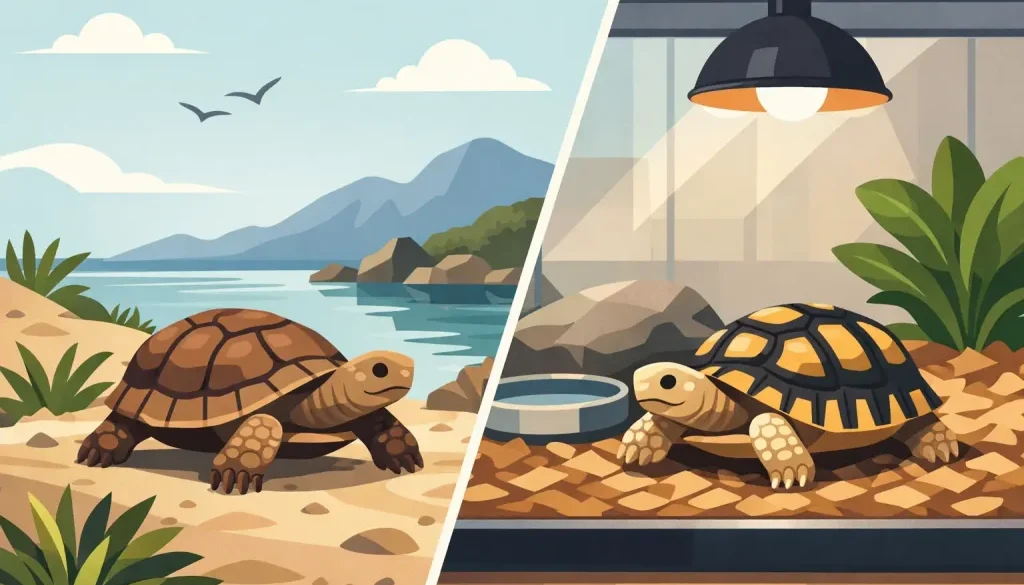
A wild-caught tortoise is one that has been taken from its natural habitat and moved into the pet trade. Some may have been imported many years ago, when standards and trade practices were different. Others may be described as “farm bred”, “ranched” or “captive born”, terms that can mean very different things and should always be clarified before purchase.
A captive-bred tortoise is bred and hatched under human care from established breeding stock. Its early life is managed in a controlled environment, with regular feeding, suitable temperatures and observation. A responsible breeder or specialist should be able to give clear information about the animal, its species, its age or hatch year where known, and the documents supplied with it.
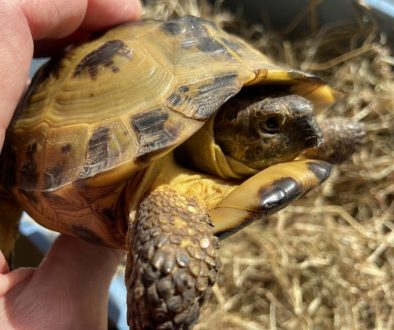
This distinction is especially relevant with popular garden species such as Horsfield tortoises, Hermann’s tortoises and Marginated tortoises. These are not interchangeable animals, but all benefit from being sourced responsibly and from having a known, lawful background.
Why wild collection is a welfare concern
Removing a tortoise from the wild can be distressing in itself. The animal is taken from a familiar territory, natural food sources and its normal seasonal routine. It may then pass through several stages of transport, holding and sale before reaching a keeper. Even a tortoise that looks outwardly well can have experienced dehydration, poor nutrition, injury, parasite burdens or prolonged stress.
Tortoises are naturally quiet animals. They do not always show illness in obvious ways, and problems may only become apparent after the animal has settled into a new environment. A newly purchased tortoise that is not eating, is losing weight, has a runny nose or seems unusually inactive needs prompt, experienced advice and, where appropriate, a reptile-savvy veterinary examination.
Wild-caught animals can also arrive with habits shaped by a very different climate and landscape. A British garden and indoor enclosure must be carefully managed to provide safe temperatures, ultraviolet lighting and dry, secure shelter. Any tortoise requires this, but a captive-bred youngster that has been raised in appropriate conditions is generally more accustomed to routine care and human observation from the outset.
There is also the larger conservation issue. Wild tortoise populations face loss of habitat, road traffic, agricultural change and illegal collection. Choosing an established captive-bred animal helps avoid creating demand for tortoises removed from the countryside where they belong.
The practical benefits of captive-bred tortoises
Captive-bred does not mean “no work required”. A tortoise is a long-term commitment and should never be bought on impulse. However, responsible captive breeding offers practical advantages that matter to new owners.
First, the tortoise’s early care can be monitored. A specialist can assess whether it is feeding properly, growing steadily and behaving normally before it is offered for sale. This is a much stronger foundation than relying on a vague history or a seller who cannot answer straightforward questions.
Second, a captive-bred tortoise gives the keeper a more useful starting point for husbandry. You should receive sensible guidance on diet, safe weeds and leafy foods, calcium, indoor heating and lighting, outdoor time, hibernation considerations, and the sort of enclosure suitable for that species and size. There is no single set-up that suits every tortoise, which is why species-specific advice matters.
Third, known provenance makes legal compliance more straightforward. Protected species can require particular documentation, and those documents are part of responsible ownership rather than an optional extra. A trustworthy seller should explain exactly what is being supplied and what you should retain safely for the lifetime of the animal.
Legal paperwork is part of responsible ownership
Tortoises are subject to wildlife trade controls, including CITES requirements. The precise paperwork depends on the species, its conservation listing and its individual history. For some protected tortoises, lawful commercial sale requires a specimen-specific Article 10 certificate. In relevant cases, the animal may also be microchipped in line with the applicable rules.
Do not accept vague assurances that paperwork will be “sorted later”, and do not assume a receipt alone proves that every tortoise can be sold legally. Ask what documentation applies to the particular animal you are considering, check that its details match the tortoise and keep the originals securely. If the animal is ever sold, rehomed or moved on, its paperwork remains important.
This is one reason private adverts can be risky, particularly when a seller cannot confirm origin, species, age, health history or documentation. A low purchase price can become expensive if the tortoise is unwell, incorrectly identified or not accompanied by the required legal evidence.
What to ask before you buy
A good seller will welcome sensible questions. Ask whether the tortoise is captive bred, what species it is, when it hatched or approximately how old it is, what it is currently eating and how it has been kept. Find out whether it has been hibernated, whether it is eating well, and what legal documents will be provided.
It is also worth asking what support is available after purchase. The first few weeks are when many new owners want reassurance about settling in, feeding, temperatures and normal behaviour. Clear, friendly advice from somebody who understands tortoises can prevent common mistakes, such as using unsuitable substrate, feeding too much fruit or allowing temperatures to drop too low.
Be cautious if a seller appears reluctant to discuss husbandry, offers several animals with no individual information, or pressures you to pay before you understand the set-up. Tortoises can be wonderful companions, but they are not low-maintenance pets and they should not be treated as a quick online purchase.
Choosing the right species matters too
The best captive-bred tortoise is still only the right choice if it suits your home and plans. A Horsfield tortoise is often considered by keepers looking for a smaller, active species, but it is an excellent digger and needs a very secure enclosure. Hermann’s tortoises are popular garden tortoises with their own space, lighting and dietary requirements. Marginated tortoises can grow considerably larger and need room to thrive.
Western Dwarf Hermann’s tortoises may appeal to those looking for a smaller Hermann’s type, but rarity should never be the main reason for choosing any animal. Temperament, adult size, secure accommodation, family routine and the ability to provide daily care all deserve more thought than appearance alone.
A reputable specialist will help you consider these points honestly. Tortoises 4 You has spent 44 years helping keepers choose captive-bred tortoises with welfare, legal compliance and practical aftercare in mind.
A responsible start gives a tortoise its best chance
There can be unusual situations involving long-established rescue animals or tortoises with historic backgrounds, and their care is still valuable. But for someone buying a tortoise as a pet, the sensible route is to choose a healthy captive-bred animal with a clear history, appropriate documentation and proper support.
Take time to prepare the enclosure before the tortoise arrives, rather than trying to build its home around it afterwards. A carefully sourced captive-bred tortoise, paired with correct daily care and the willingness to ask for advice, gives you the best chance of enjoying a healthy companion for many years to come.