Horsfield or Hermann’s Tortoise for Your Home?
A tortoise can be a wonderful long-term companion, but the choice should not come down to which one looks nicest in a photograph. When deciding on a Horsfield or Hermann’s tortoise, the real question is which species best suits your home, available space, daily routine and willingness to provide correct care for many years.
Both are popular garden tortoises in the UK. Both need secure accommodation, suitable heat and UVB lighting indoors, a weed-based diet, and owners who understand that a tortoise is not a low-maintenance pet. There are, however, meaningful differences in behaviour, build, outdoor keeping and legal paperwork.
Horsfield or Hermann’s tortoise: the main difference
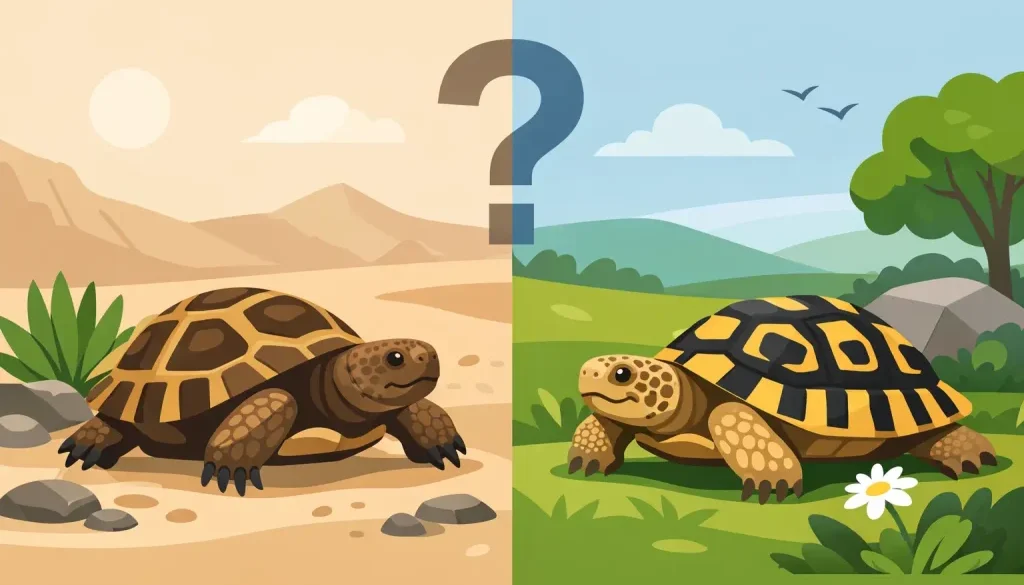
A Horsfield tortoise, also called the Russian tortoise, is generally a compact, sturdy tortoise with a rounded shell and a determined character. They are well known for digging, climbing and testing the boundaries of an enclosure. A healthy Horsfield can be full of character, but it needs a particularly secure home.
A Hermann’s tortoise is often chosen for its attractive yellow and black shell markings and its active, alert nature. They tend to have a more elongated shell shape than Horsfields, and many keepers find them engaging to watch as they explore. Hermann’s are available in different forms, including the smaller and rarer Western Dwarf Hermann’s tortoise.
Neither species is automatically better. A Horsfield may suit someone who wants a smaller, rugged tortoise and can build a properly dig-proof run. A Hermann’s may appeal to someone who values its classic Mediterranean appearance and is prepared to meet the additional legal requirements that can apply.
Size and lifespan: plan for the adult tortoise
Do not choose based on the size of a young tortoise. Hatchlings and juveniles are small, but both species need room to exercise and graze as they grow.
Adult Horsfields commonly reach around 15 to 20 cm, with females often larger than males. Hermann’s tortoises vary according to their type and sex, but many reach a similar or slightly larger adult size. A Western Dwarf Hermann’s generally remains smaller than a standard Hermann’s.
More significant than the difference in centimetres is their lifespan. With proper care, a tortoise can remain part of the family for several decades. This is a pet that may still need care when a child has grown up, moved home or started a family of their own. A sensible purchase includes thinking about future accommodation, holidays, veterinary costs and who could care for the tortoise if circumstances change.
Temperament and handling
Horsfields have a deserved reputation for being busy and strong-willed. Their instinct to burrow is natural, not bad behaviour. In the wild, burrowing helps them escape heat and cold, so a pet Horsfield will often try to dig beneath fences, hide under shelters and investigate every corner of its enclosure. A shallow border or lightweight pen will not hold a determined adult.
Hermann’s tortoises are also active and inquisitive. Many become familiar with their keeper’s routine and will come forward at feeding time. That said, every tortoise is an individual. It is not sensible to promise that one species will be friendlier or calmer than another.
Tortoises should be handled only when necessary. They are best enjoyed on the ground, where they can walk, forage and behave naturally. Regular lifting can be stressful and creates a risk of injury if the animal is dropped. This matters especially in family homes: children can help feed and observe a tortoise, but an adult should supervise all handling.
Housing in the British climate
The UK climate is one of the biggest practical considerations when choosing a Horsfield or Hermann’s tortoise. Neither should simply be put outside in a garden all year and left to manage alone. Our weather can be damp, cold and changeable, even during summer.
Both species need a dry, secure indoor base with appropriate basking heat and quality UVB lighting. The enclosure must be large enough for the tortoise to move properly, with a warm basking area, cooler areas, a hide and suitable substrate. Avoid keeping a tortoise in a small glass vivarium with limited ventilation and floor space. They need room, fresh air and a clear temperature gradient.
During suitable warm weather, supervised access to a secure outdoor enclosure is highly beneficial. Natural sunlight, exercise and grazing are valuable, but the run must be safe from escapes, dogs, foxes, rats and birds. A Horsfield enclosure needs extra thought below ground as well as above it. Burying mesh or creating a solid dig-proof perimeter can prevent an escape artist from disappearing under the fence.
Hermann’s tortoises also need secure fencing, though their digging habits are usually less notorious than those of a Horsfield. For either species, a covered section is useful so the tortoise can get out of persistent rain and remain dry.
Diet and daily care
Horsfields and Hermann’s tortoises have very similar dietary needs. Their staple diet should be varied leafy weeds and suitable flowering plants, offered with calcium as advised. Dandelion leaves, plantain, sow thistle and other safe weeds can form part of a good varied diet when correctly identified and collected from pesticide-free areas.
Fruit, supermarket salad and high-protein foods should not make up the main diet. Fruit is too sugary for regular feeding, while foods such as meat, dairy, dog food and cat food are entirely unsuitable. A tortoise needs a high-fibre, low-sugar diet that reflects its natural feeding habits.
Fresh water should always be available in a shallow dish, even if you do not often see the tortoise drink. Young tortoises in particular may benefit from regular shallow soaks, as advised for their age and condition. Cleanliness matters too: remove old food, check the water daily and keep the accommodation dry and hygienic.
Hibernation is not a shortcut
Both Horsfield and Hermann’s tortoises may hibernate, but hibernation should never be treated as something every tortoise must do without proper preparation. It is a controlled process that depends on the species, age, weight, health and husbandry history of the individual animal.
A tortoise that is unwell, underweight, dehydrated or newly settled should not simply be allowed to become cold and inactive. Keepers need a clear plan and proper guidance before considering hibernation. Some owners choose not to hibernate their tortoise and instead provide correct indoor care through winter. The best approach depends on the tortoise and the keeper’s ability to monitor it properly.
Legal paperwork and buying with confidence
Legal compliance is an essential difference to understand before buying. Hermann’s tortoises are protected species, and a specimen-specific Article 10 certificate is required for their legal commercial sale in the UK. The certificate should match the individual tortoise being purchased, so always check that the paperwork is complete and retained safely.
Horsfield tortoises do not usually require the same Article 10 sales certificate, but that does not make origin unimportant. A responsible buyer should still choose a healthy, captive-bred tortoise from a reputable specialist. Captive-bred animals are the right choice for welfare, traceability and responsible ownership.
Depending on the species, size and legal status of the tortoise, identification requirements such as microchipping may also apply. A specialist seller should explain exactly what documentation comes with the animal and what records you need to keep. If the answer is unclear, do not rush the purchase.
Which tortoise should you choose?
Choose a Horsfield if you are prepared for a compact, active tortoise with a strong urge to dig and a very secure outdoor setup. They are characterful animals, but their housing must be designed with their escape skills in mind.
Choose a Hermann’s if you prefer the look and nature of a Mediterranean tortoise, have the space for a suitable enclosure and are comfortable with the protected-species paperwork. The Western Dwarf Hermann’s can be especially appealing where a smaller adult tortoise is preferred, though the same high standard of care still applies.
Whichever species you favour, do not buy until the enclosure is ready, the heat and UVB equipment have been checked, and you know where the tortoise will live during a cold British winter. At Tortoises 4 You, forty-four years of experience has shown that the best starts come from asking practical questions before purchase, not after delivery. A short conversation about your home and plans can help ensure the tortoise you choose is one you can care for confidently for years to come.